
 EN


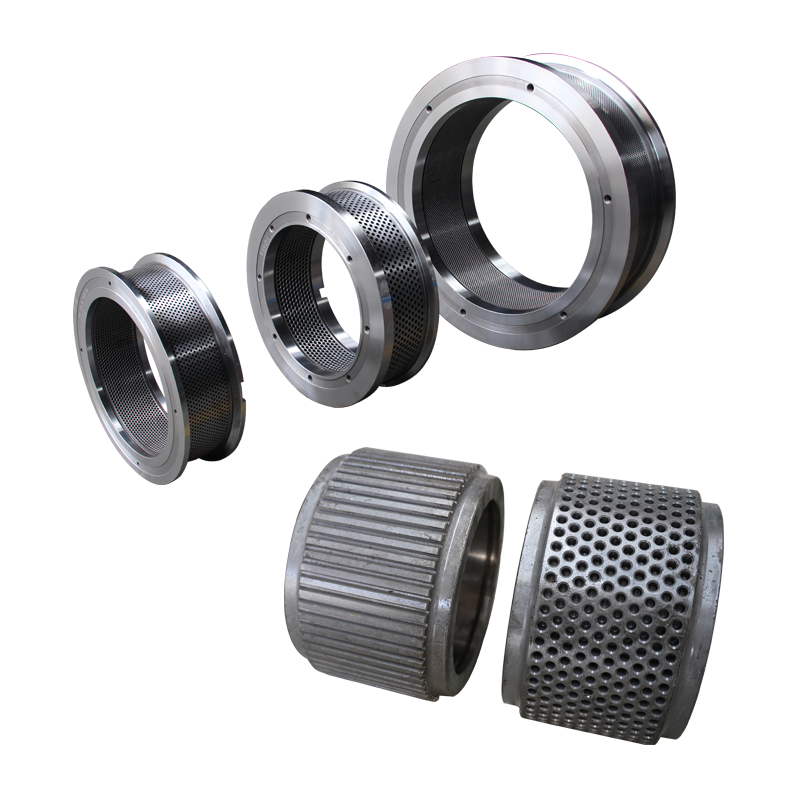
How to Choose the Right Ring Die for Your Feed Pellet Mill?
SEO Title: How to Choose the Right Ring Die for Your Feed Pellet Mill?
Meta Description: Learn how to choose a ring die for your feed pellet mill based on material, hole diameter, hardness, machine compatibility, and pellet quality. Explore Yuda's customizable ring die solutions.
URL Slug: /how-to-choose-the-right-ring-die-for-your-feed-pellet-mill
Primary Keyword: ring die for pellet mill
Related Keywords: pellet mill ring die, ring die, pellet ring die, feed pellet mill ring die, animal feed pellet machine ring die, ring die manufacturer, ring die supplier, custom ring die, ring die for feed pellet machine
Introduction
Choosing the right ring die for pellet mill equipment is essential for stable production, consistent pellet quality, and effective maintenance. The ring die works together with the roller shell to compress prepared material and form it into pellets. If the die specifications do not match the pellet mill, raw material, or target pellet size, a feed plant may experience unstable output, poor pellet formation, excessive wear, or unnecessary downtime.
For feed manufacturers, choosing a suitable pellet mill ring die involves more than selecting a diameter. Material, hardness, hole diameter, working dimensions, compression requirements, and machine compatibility all need to be considered. The right choice should match the actual production conditions rather than relying on a single specification.
Yuda Machinery supplies ring dies in stainless steel and alloy steel options, with customizable specifications for various pellet mill models. This guide explains the key selection factors and the information buyers should confirm before ordering.
Shangh
ai Yuanyuda International Trade Co., Ltd.
1. Why Does the Ring Die Matter in Feed Pellet Production?
The ring die is one of the main working components in a ring-die pellet mill. During operation, the roller shell presses conditioned material against the die surface and forces it through the die holes. The material is then formed into pellets according to the die-hole dimensions and the operating conditions.
A properly matched ring die can support consistent pellet formation and help the production line operate under its intended conditions. However, pellet quality also depends on formulation, grinding, conditioning, moisture, roller-shell condition, and machine adjustment. Replacing the die alone may not solve a problem caused by poor conditioning or worn rollers.
When evaluating a ring die for feed pellet machine applications, buyers should consider the die and roller shell as a working pair. Their specifications should be checked together to support suitable pressure distribution, feeding, and pellet formation.
2. Ring Die Materials and Hardness
Material is an important factor when selecting a ring die. Yuda's product page lists stainless steel options X46Cr13 and 4Cr13, as well as alloy steel options 20MnCr5 and 20CrMnTi. The listed hardness range is HRC54–60. Actual material and specifications should be confirmed for the specific product and application.
Shanghai Yuanyuda International Trade Co., Ltd.
Different applications place different demands on wear resistance, mechanical strength, and service conditions. When selecting a feed pellet mill ring die, buyers should discuss the feed formula, expected operating conditions, target pellet specifications, and machine model with the supplier.
Hardness alone should not determine the purchase. The material, heat treatment, machining quality, die geometry, and suitability for the operating conditions all matter. A ring die manufacturer should be able to confirm the specifications offered for the intended machine instead of recommending a generic part without checking compatibility.
3. How to Select the Correct Ring Die Hole Diameter
Hole diameter is another key factor because it affects the size of the pellets produced. Yuda's ring die page lists a diameter range of 1.0–28 mm and an outer diameter of up to 1,800 mm. These figures describe the listed product range; they do not mean every size is suitable for every pellet mill. The correct dimensions must be confirmed against the machine and production requirements.
Shanghai Yuanyuda International Trade Co., Ltd.
Before purchasing a pellet ring die, clarify the following:
Target pellet diameter: Confirm the required finished-pellet size for the feed application.
Die working dimensions: Check the outer diameter, inner diameter, total width, and working-surface width where applicable.
Machine model: Confirm the pellet mill brand and model, including any model-specific design requirements.
Compression requirements: Discuss the suitable hole geometry and effective working length for the formula and material.
Operating conditions: Consider raw material characteristics and production requirements rather than selecting a hole diameter in isolation.
A hole diameter that is too large or too small for the intended product may affect pellet dimensions and production performance. The final specification should be confirmed with the equipment supplier or a qualified technical team.
4. Check Pellet Mill Compatibility Before Ordering
A ring die may look similar to another product but still differ in dimensions, mounting details, or working-surface specifications. Before ordering a ring die for feed pellet machine equipment, provide the supplier with the machine brand, model, existing die dimensions, and technical drawing if available.
Yuda lists customization for pellet mill models associated with brands and series including CPM, Buhler, CPP, OGM, and Zhengchang SZLH/MZLH. The company also states that ring dies can be customized according to customer drawings. Compatibility should still be verified for each order.
Shanghai Yuanyuda International Trade Co., Ltd.
A practical compatibility checklist includes:
Pellet mill brand and exact model.
Existing ring die dimensions and mounting requirements.
Target pellet diameter and feed application.
Material and hardness requirements.
Required quantity and expected delivery schedule.
Drawings, photos, or part numbers for technical confirmation.
This process helps buyers reduce the risk of receiving a die that cannot be installed or does not suit the intended production conditions.
5. How to Choose a Reliable Ring Die Manufacturer or Supplier
When comparing a ring die manufacturer or ring die supplier, buyers should evaluate more than the quoted price. Technical communication, specification confirmation, material options, customization capability, and quality inspection are all important.
A supplier should be able to explain which specifications are available for the buyer's machine and what information is required to produce a replacement part. For a custom ring die, drawings and measurements are particularly useful because they help clarify dimensions and mounting details before manufacturing begins.
Yuda's spare parts range includes ring dies and roller-related components. Buyers can start with the Yuda Ring Die product page and the Spare Parts category to review the available products and submit their machine details for confirmation.
Shanghai Yuanyuda International Trade Co., Ltd.
6. Common Ring Die Selection Mistakes
Several mistakes can make a replacement ring die unsuitable for the intended production line:
Selecting by outer diameter alone without confirming the other dimensions.
Choosing a hole diameter without considering the target pellet size and material.
Ignoring the condition and specifications of the roller shell.
Assuming that a die designed for one pellet mill model will fit another.
Purchasing solely on price without confirming material and technical requirements.
Failing to provide drawings or sufficient information for customized production.
The best way to avoid these problems is to confirm the full specification before placing an order and to discuss the ring die and roller shell together.
Frequently Asked Questions
Q1: What is the main function of a ring die for pellet mill equipment?
A: The ring die works with the roller shell to compress prepared material through die holes and form pellets of the required size.
Q2: What materials are available for Yuda ring dies?
A: Yuda lists stainless steel options X46Cr13 and 4Cr13, and alloy steel options 20MnCr5 and 20CrMnTi. Confirm the material for the specific product before ordering.
Shanghai Yuanyuda International Trade Co., Ltd.
Q3: What is the listed ring die diameter range?
A: The product page lists a diameter range of 1.0–20 mm and an outer diameter of up to 1,800 mm. Actual specifications depend on the selected model and application.
Shanghai Yuanyuda International Trade Co., Ltd.
Q4: Can Yuda provide a custom ring die for another brand of pellet mill?
A: Yuda lists customization for multiple brands and series, including CPM, Buhler, CPP, OGM, and Zhengchang SZLH/MZLH. Buyers should provide the exact model and drawings for confirmation.
Shanghai Yuanyuda International Trade Co., Ltd.
Q5: Should the ring die and roller shell be selected together?
A: Yes. They work together during pellet formation, so their dimensions, surface condition, and operating requirements should be checked as a pair.
Q6: What information should I send when requesting a quote for a ring die?
A: Provide the pellet mill brand and model, existing die dimensions, target pellet size, material preference, quantity, and drawings or photos if available.
Q7: Where can I view Yuda's ring die products?
A: Visit the Yuda Ring Die product page or the Spare Parts category.
Conclusion
Choosing the right ring die for your feed pellet mill requires a complete review of material, hardness, hole diameter, working dimensions, machine compatibility, and the condition of the roller shell. The most suitable ring die is the one that matches the actual machine and production requirements—not simply the one with a particular diameter or hardness value.
Yuda Machinery provides ring die options in stainless steel and alloy steel, with customization available for selected pellet mill models and customer drawings. Before ordering, prepare your equipment information and confirm the complete specification with the supplier.
Written by: Yuda Machinery Engineering Team
Based on years of experience in feed machinery manufacturing, equipment design and overseas project installation.
When Should You Replace Pellet Mill Roller Shells? Signs of Wear and Reduced Pellet Quality
SEO Title: When Should You Replace Pellet Mill Roller Shells? Signs of Wear and Reduced Pellet Quality
Meta Description: Learn when to replace pellet mill roller shells, identify wear symptoms, troubleshoot poor pellet quality, and select suitable replacement parts for your pellet mill.
URL Slug: /when-to-replace-pellet-mill-roller-shells
Primary Keyword: pellet mill roller shell
Related Keywords: roller shell, ring die pellet mill roller shell, feed pellet machine roller shell, animal feed pellet mill roller shell, roller shell manufacturer, roller shell supplier, pellet mill roller shell for sale, custom roller shell, roller shell for feed pellet mill
Introduction
The roller shell is a key wear part in a pellet mill. Working together with the ring die, it applies pressure to prepared material and helps form uniform pellets. When a roller shell becomes worn, loses its effective surface profile, or no longer matches the operating conditions, the pellet mill may experience unstable feeding, reduced output, poor pellet formation, or more frequent maintenance.
However, a drop in pellet quality does not automatically mean that the roller shell must be replaced. Material preparation, conditioning, die-hole condition, roller-to-die clearance, and machine alignment can also affect performance. A reliable replacement decision should be based on visible wear, operating data, pellet quality, and a check of the complete pressing system.
Yuda's spare parts range includes roller shells and roller shell assemblies. Its product information describes the roller assembly as a component that works with the die to compress and shape raw material, supporting material flow and overall pellet mill efficiency.
Shanghai Yuanyuda International Trade Co., Ltd.
1. Why Does Roller Shell Condition Affect Pellet Quality?
In a ring-die pellet mill, the roller shell and ring die work as a pair. The roller shell presses prepared material against the die surface, helping move the material into the die holes. The resulting pellets depend on the combined effect of material characteristics, conditioning, die specifications, roller-shell condition, and operating adjustments.
A worn roller shell may have difficulty gripping and feeding material consistently. If the surface profile becomes smooth or uneven, the material may slip instead of being pressed effectively. This can contribute to inconsistent pellet formation, changes in production output, and increased wear on related components.
For an animal feed pellet mill roller shell, the practical objective is not simply to maximize the part's service life. It is to maintain reliable operation while preserving the required pellet quality and avoiding unnecessary downtime. Inspection and replacement should therefore be part of a routine maintenance plan.
2. Five Signs That a Pellet Mill Roller Shell May Need Replacement
Sign 1: The Pressing Surface Is Smooth or Unevenly Worn
One of the first things to inspect is the working surface of the roller shell. If the surface profile has become noticeably smoother, damaged, or uneven compared with its original condition, its ability to grip material may be reduced.
Inspect the roller shell after the machine has been stopped, isolated from power, and made safe for maintenance. Compare wear across the working surface rather than judging only one small area. Uneven wear may also indicate a clearance, alignment, feeding, or loading problem that should be corrected before installing a replacement.
Sign 2: Pellet Output Drops Under Similar Operating Conditions
A gradual reduction in output may be a reason to inspect the roller shell, especially when the feed formula, material preparation, and production settings have not changed significantly.
Before replacing the part, check the material feed rate, conditioning conditions, ring die, roller-to-die clearance, and machine load. If these factors are stable and the roller shell shows clear wear, replacement may be appropriate.
Sign 3: Pellet Shape or Consistency Becomes Unstable
If pellets become less uniform, show inconsistent lengths, or form less consistently than before, inspect the complete pressing section. A worn roller shell can contribute to unstable material compression, but the ring die and upstream material conditions may also be responsible.
For a feed pellet machine roller shell, the replacement decision should consider both visible wear and the quality requirements of the finished feed. Do not attribute every pellet defect to the roller shell without checking the other process variables.
Sign 4: Slippage, Heat, or Unusual Operating Conditions Increase
Material slippage, abnormal heat, or changes in machine load may indicate that the pressing conditions need attention. Worn roller-shell surfaces are one possible cause, but incorrect clearance, inadequate conditioning, or unsuitable material characteristics can produce similar symptoms.
Stop the machine and investigate if there is unusual noise, suspected metal-to-metal contact, or a sudden operating change. Follow the equipment manufacturer's inspection and adjustment procedures before returning the machine to service.
Sign 5: Maintenance Interruptions Become More Frequent
If operators repeatedly need to adjust the pressing section or production interruptions increase, record the observations and inspect the roller shell and ring die together. Repeated problems may indicate that a worn part is reaching the end of its useful working condition, or that a root cause has not been corrected.
A roller shell replacement should address the observed cause rather than simply reset the maintenance cycle. Check the mounting components, bearing condition, alignment, and operating clearances as part of the same maintenance task.
3. How to Check Roller Shell Wear Before Replacing It
A structured inspection can help determine whether the roller shell itself is responsible for declining performance.
|
Inspection item |
What to check |
Recommended action |
|
Surface profile |
Smoothing, damage, or uneven wear |
Compare wear across the working surface |
|
Pellet output |
Output changes under comparable conditions |
Review feed rate and operating records |
|
Pellet quality |
Changes in shape, consistency, or fines |
Check the die and upstream material preparation |
|
Roller-to-die clearance |
Clearance outside the manufacturer's specification |
Measure and adjust according to the manual |
|
Mechanical condition |
Unusual noise, vibration, or heat |
Stop and inspect the relevant components |
|
Installation and alignment |
Loose mounting or signs of misalignment |
Correct the installation before restarting |
Inspection results should be recorded over time. Comparing the same indicators across production runs makes it easier to distinguish gradual wear from changes caused by raw materials, operating settings, or other components.
Do not rely on a universal replacement interval. Roller shell life depends on the machine, material, production volume, operating conditions, component specifications, and maintenance practices. Follow the equipment manufacturer's recommendations and use the actual condition of the part to guide the decision.
4. How to Choose the Right Replacement Roller Shell
Selecting a replacement roller shell requires more than matching the general product name. Buyers should confirm the pellet mill model, roller-shell dimensions, working-surface design, material, and application.
Yuda's product range includes different roller-shell designs and assemblies. Its roller-shell assembly page identifies 20CrMnTi alloy steel pressure rollers and 4Cr13 stainless steel granulation dies among its material options, and lists resistance to wear, corrosion, heat, fatigue, and impact as product characteristics. It also notes that biomass wood-pellet sizes of 6–12 mm are used in the described application and that other sizes can be customized. These details should not be treated as universal specifications for every feed pellet machine roller shell; confirm the exact product and application before ordering.
Shanghai Yuanyuda International Trade Co., Ltd.
Before requesting a quote, confirm:
Machine compatibility: Provide the exact pellet mill brand and model.
Dimensions: Confirm the required roller-shell dimensions and assembly details.
Material: Discuss the material options suitable for the operating conditions.
Surface design: Match the working-surface profile to the intended material and machine.
Application: Clarify whether the part is for animal feed, wood pellets, or another material.
Customization: Provide drawings, photos, or part numbers where available.
A custom roller shell may be appropriate when standard dimensions or surface designs do not meet the machine's requirements. However, customization should be based on verified measurements and technical confirmation rather than visual similarity alone.
5. Why the Ring Die and Roller Shell Should Be Checked Together
The roller shell and ring die form the core pressing pair in a ring-die pellet mill. A replacement roller shell that does not suit the die or machine may fail to restore stable production. Conversely, replacing a ring die without checking the roller shell may leave the original problem unresolved.
When investigating reduced pellet quality, inspect both components and review the material preparation process. Particle size, conditioning, moisture, feeding consistency, and machine settings can influence the load placed on the pressing pair. If the roller shell is worn, the ring die is damaged, or the clearance is incorrect, correct the identified issue according to the manufacturer's procedures.
This combined approach can help maintenance teams avoid replacing parts unnecessarily and can provide a more complete basis for ordering compatible spare parts.
6. What to Look for in a Roller Shell Manufacturer or Supplier
When comparing a roller shell manufacturer or roller shell supplier, buyers should check whether the supplier can confirm compatibility, provide relevant technical information, and support the required dimensions and design.
For a pellet mill roller shell for sale, the product description should be matched against the buyer's actual equipment. A useful supplier inquiry includes the machine model, roller-shell dimensions, material requirements, intended application, and any signs of the existing part's wear.
Yuda lists roller shells and roller shell assemblies in its spare parts category. Buyers can review the Yuda Roller Shell product information and the Spare Parts category to identify relevant options. If a standard part is not suitable, ask about a custom roller shell and provide the relevant drawings or measurements.
Shanghai Yuanyuda International Trade Co., Ltd.
7. How to Reduce Premature Roller Shell Wear
Replacing a roller shell at the right time is important, but preventing premature wear is also essential. A consistent maintenance routine should include:
Inspect regularly: Check the pressing surface and record changes in wear.
Maintain correct clearance: Use the equipment manufacturer's procedure to inspect and adjust roller-to-die clearance.
Prepare material consistently: Keep grinding, conditioning, and feeding conditions within the requirements of the production process.
Check the complete pressing system: Inspect the ring die, roller shell, mounting components, and relevant mechanical parts together.
Keep maintenance records: Record operating conditions, production changes, inspection findings, and replacement dates.
Order compatible spare parts: Confirm dimensions and technical requirements before ordering replacement components.
These practices do not eliminate wear, which is a normal part of pellet mill operation. They help maintenance teams identify problems earlier, reduce avoidable damage, and make replacement decisions based on evidence.
Frequently Asked Questions
Q1: When should I replace a pellet mill roller shell?
A: Consider replacement when the working surface is significantly worn or damaged, pellet quality declines, or output becomes unstable and inspection confirms the roller shell is a contributing cause. Check the ring die, clearance, and material conditions before making the final decision.
Q2: What are the main signs of a worn roller shell?
A: Common warning signs include a smooth or unevenly worn surface, material slippage, unstable output, changes in pellet consistency, and increasingly frequent maintenance. These symptoms should be investigated rather than automatically attributed to the roller shell.
Q3: Can a worn roller shell reduce pellet quality?
A: Yes. A worn roller shell may reduce effective material gripping and compression, contributing to inconsistent pellet formation. However, the ring die, raw material preparation, conditioning, and machine settings can also affect pellet quality.
Q4: How do I select the right roller shell for my pellet mill?
A: Confirm the machine brand and model, roller-shell dimensions, material, working-surface design, and intended application. Provide drawings or photos where possible so the supplier can verify compatibility.
Q5: What is the difference between a roller shell and a roller shell assembly?
A: A roller shell is the working component that contacts and presses material. A roller shell assembly is an integrated component set intended to simplify installation or replacement. The exact configuration depends on the product and pellet mill model.
Q6: Does Yuda offer custom roller shells?
A: Yuda lists several roller-shell products and assemblies. Buyers should provide the machine model, dimensions, and application details to confirm whether a standard or customized option is appropriate.
Shanghai Yuanyuda International Trade Co., Ltd.
Q7: Where can I find pellet mill roller shells for sale?
A: Visit the Yuda Roller Shell product page or browse the Yuda Spare Parts category.
Conclusion
Replacing pellet mill roller shells at the right time helps maintain reliable pellet formation and avoid unnecessary production interruptions. The most useful warning signs include visible surface wear, unstable output, changes in pellet quality, slippage, and repeated maintenance issues. However, these symptoms should be evaluated alongside ring die condition, clearance, material preparation, and machine settings.
When selecting a replacement roller shell, confirm the machine model, dimensions, material, and application with the supplier. Yuda Machinery offers roller shells and roller shell assemblies, with product options and customization enquiries available through its spare parts range.
Written by: Yuda Machinery Engineering Team
Based on years of experience in feed machinery manufacturing, equipment design and overseas project installation.
Table of Contents
- Introduction
- 1. Why Does the Ring Die Matter in Feed Pellet Production?
- 2. Ring Die Materials and Hardness
- 3. How to Select the Correct Ring Die Hole Diameter
- 4. Check Pellet Mill Compatibility Before Ordering
- 5. How to Choose a Reliable Ring Die Manufacturer or Supplier
- 6. Common Ring Die Selection Mistakes
- Frequently Asked Questions
- Introduction
- 1. Why Does Roller Shell Condition Affect Pellet Quality?
- 2. Five Signs That a Pellet Mill Roller Shell May Need Replacement
- 3. How to Check Roller Shell Wear Before Replacing It
- 4. How to Choose the Right Replacement Roller Shell
- 5. Why the Ring Die and Roller Shell Should Be Checked Together
- 6. What to Look for in a Roller Shell Manufacturer or Supplier
- 7. How to Reduce Premature Roller Shell Wear
- Frequently Asked Questions
- Conclusion
