
- Home
- Solution
- Products
- About Us
- Performance Case
- New&Blog
- Contact
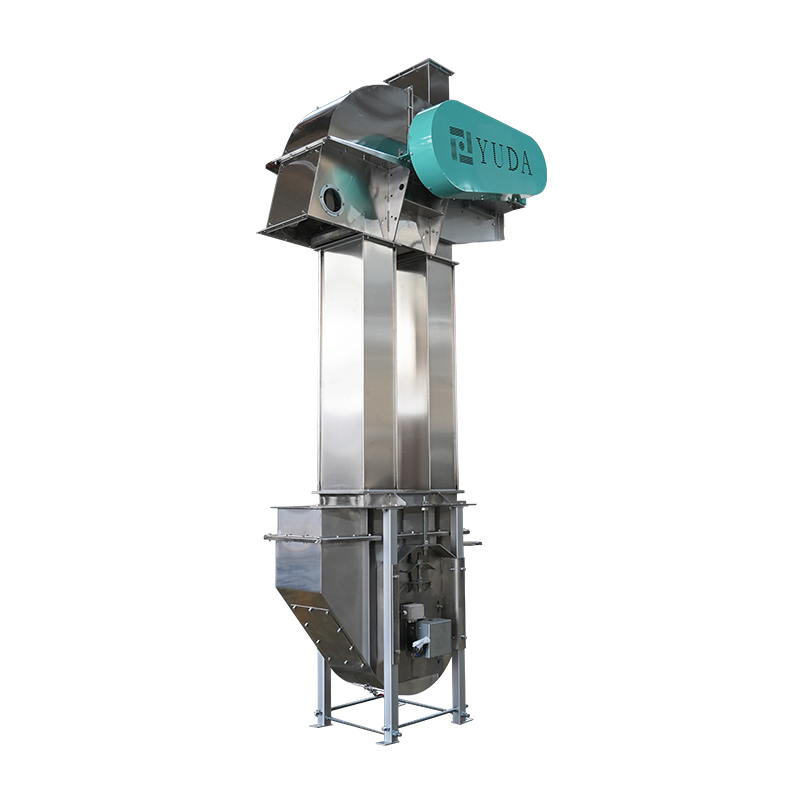
Bucket Elevator Selection Guide | Yuda Machinery Engineering Team A bucket elevator that works well for dry grain may not be the best choice for fine powder, fragile pellets, abrasive materials, or products with high moisture content. The material d...
VIEW MORE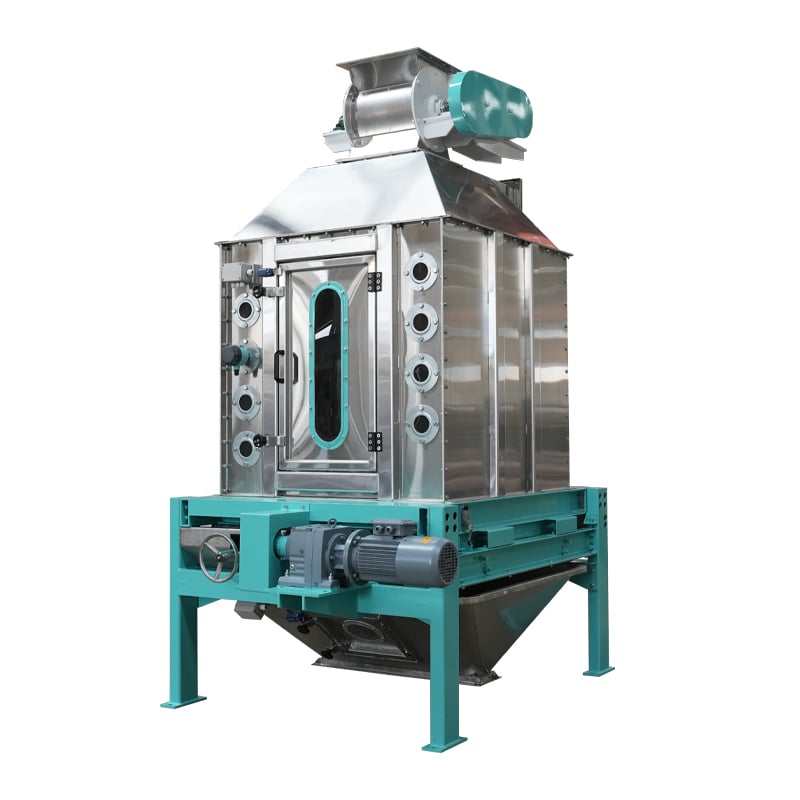
1. Introduction: Start with Production Capacity, Not Machine Size Choosing the right counterflow cooler is an important step in building an efficient feed pellet production line. A properly selected pellet cooler helps reduce pellet temperature and m...
VIEW MORE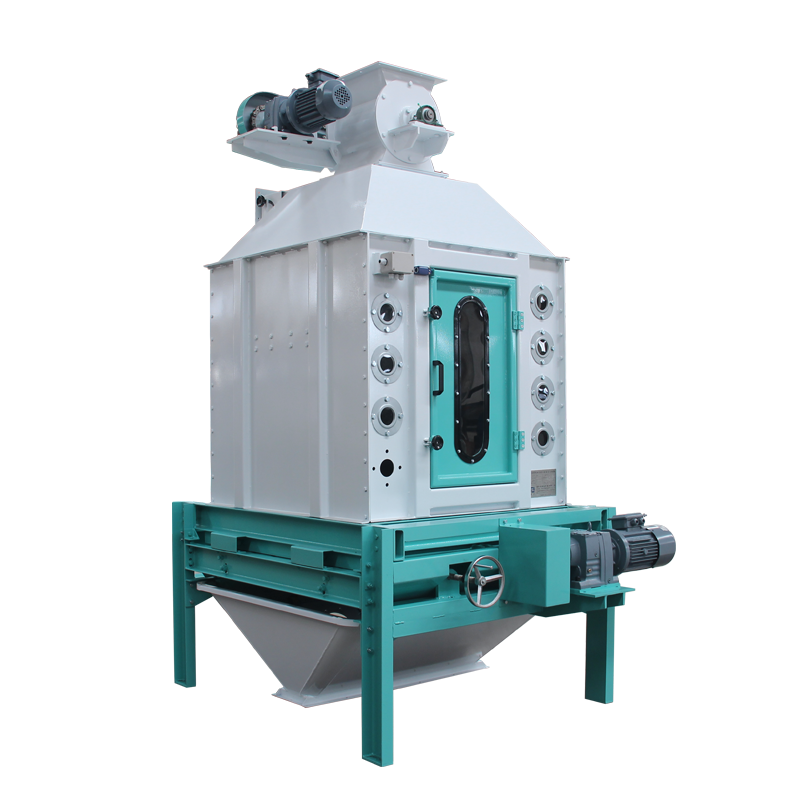
How Does a Counterflow Cooler Work in a Feed Pellet Production Line? In a complete feed pellet production line, cooling is an essential process after pelletizing. Fresh pellets discharged from the pellet mill usually have high temperature and moistur...
VIEW MORE
How to Choose the Right Feed Mixer Capacity for Your Feed Production Line? Introduction Choosing the right feed mixer capacity is one of the most important decisions when designing an animal feed production line. A feed mixer that is too small m...
VIEW MORE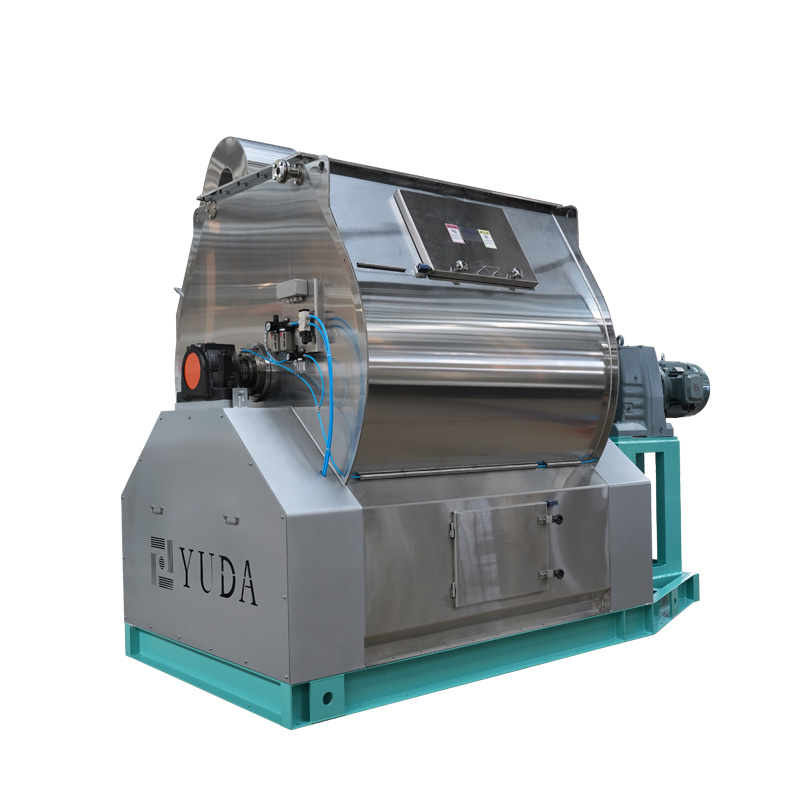
How to Reduce Mixing Time and Improve Feed Mixer Efficiency? How Advanced Feed Mixing Equipment Improves Production Efficiency and Feed Quality Introduction Selecting efficient feed mixing equipment plays an important role in improving productivity a...
VIEW MORE
How to Reduce Breakage of Feed Pellets and Grain During Conveying Different materials have different conveying characteristics, so different design approaches are needed. Material Main Damage Risk Design Focus Feed pellets Cracking, inc...
VIEW MORE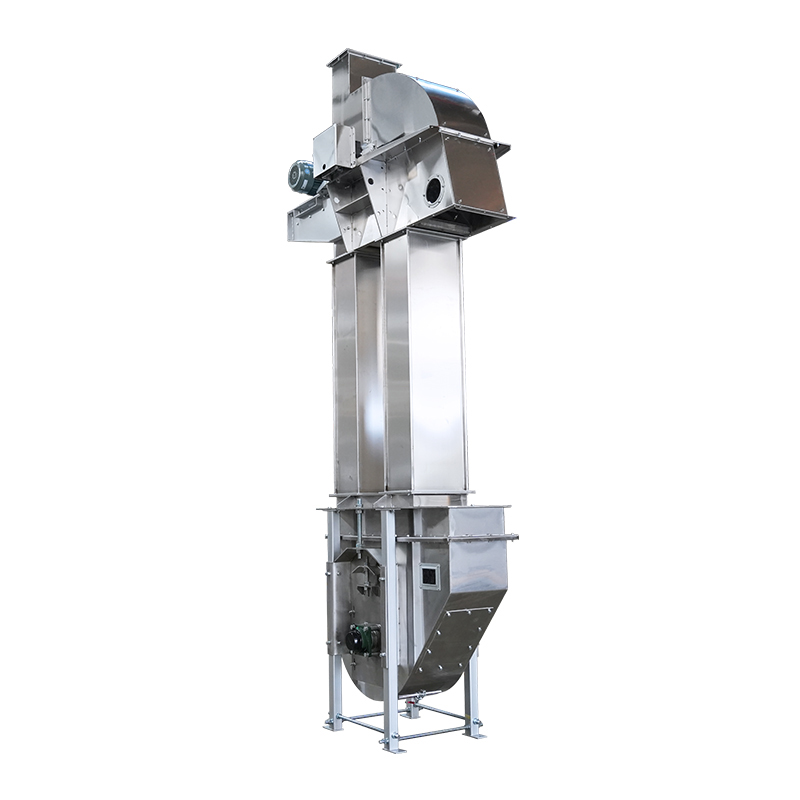
How to Prevent Material Damage During Bucket Elevator Conveying Quick AnswerTo prevent material damage during bucket elevator conveying, manufacturers should optimize five key factors:1. Use a suitable bucket design for fragile materials.2. Control e...
VIEW MORE
Selecting grain-elevator equipment directly impacts throughput, energy consumption and product quality for feed mills, fertilizer plants and bulk-handling facilities performing vertical grain transfer. Among the available solutions, the bucket elevat...
VIEW MORE
In the competitive world of feed, fertilizer, and biomass energy production, profitability depends not only on product quality but also on the pelleting equipment used. Heavy-duty ring-die pellet machines are the industry-standard pellet mills, as th...
VIEW MORE
When a ring-die pellet machine suffers sudden or gradual output loss, production efficiency falls and production costs rise. Quick diagnosis of the root cause is crucial to minimize downtime for operators and plant managers. Shanghai Yuanyuda Interna...
VIEW MORE
Belt slippage on a bucket elevator is no laughing matter. It creates a reduction in conveying capacity, increases wear of the belt and pulleys, and may cause sudden shutdown or even material back-up that damages the boot section.Proper belt traction ...
VIEW MORE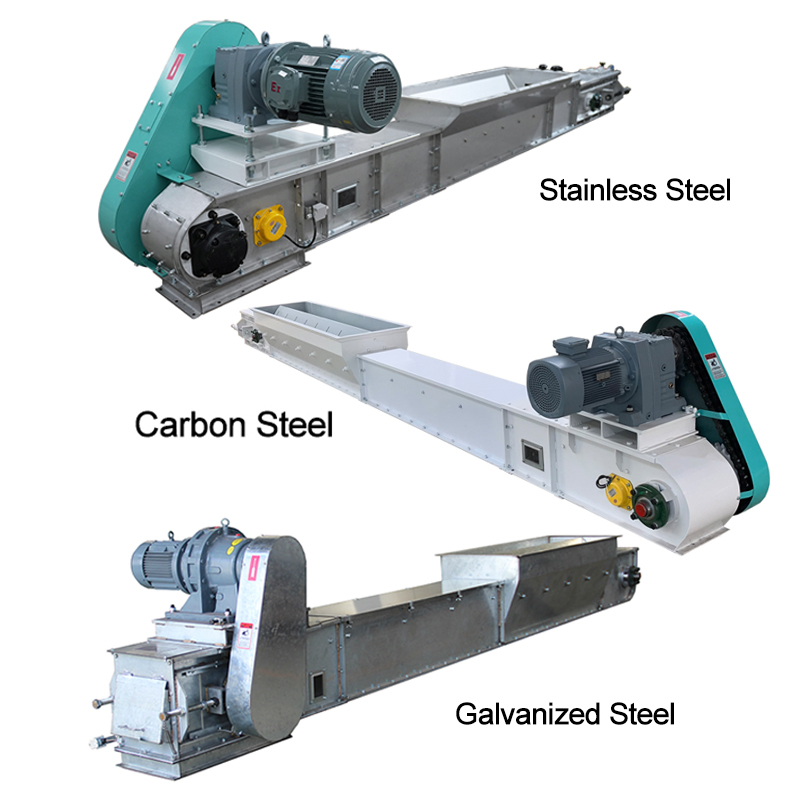
Choosing the appropriate conveying solution for feed mills, fertilizer plants or bulk-handling facilities is a crucial operation that can impact throughput, maintenance and the quality of products produced daily. Drag chain conveyors and belt conveyo...
VIEW MORE EN
EN


