
 EN
EN


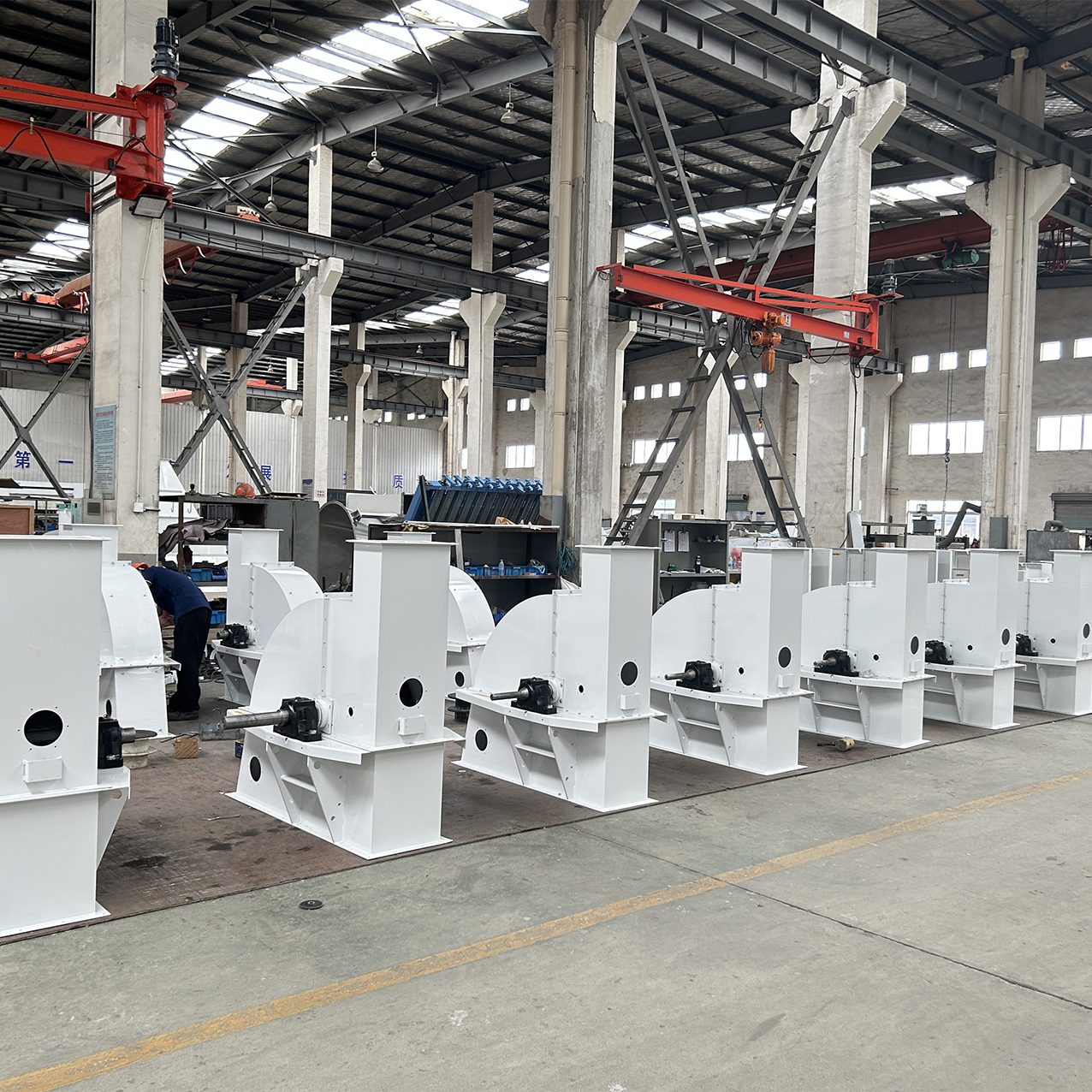
The bucket elevator is the vertical backbone of bulk material handling in any modern feed production line. Granulating equipment and pellet mills are widely discussed, yet a poorly selected bucket elevator costs your business efficiency and profits. When this component is not properly selected or is undersized, it will act as a bottleneck, restricting material flow to all other equipment upstream and downstream in the line.
At Shanghai Yuanyuda International Trade Co., Ltd., we recognize that material conveying is just as critical as feed processing. We offer a full range of conveying equipment and spare parts—including hollow shafts, clamps, etc.—that assist feed producers in designing systems that ensure smooth material flow between intake and discharge. Below are the key methods for calculating the optimal bucket elevator capacity for your feed production line.
Calculate Your Required Throughput Accurately
The first and most important step is to determine the volume of material that needs to be conveyed per hour. This figure should be calculated for peak production demand, rather than average production levels.
Equipment Compatibility: The bucket elevator must be able to handle the full output of the equipment it supports. For example, if your grinding or granulating equipment has an output of 10 tons/h, your elevator must handle at least 10 tons/h with a designated safety margin.
Consider Surge Capacity: Material flow in a feed production line is rarely constant. Emptying a full mixer places a surge load on the elevator, as does emptying a surge bin. A common industry practice is to oversize the bucket elevator by 10–20% above your expected throughput.
Account for Material Density: The density of different feed ingredients varies significantly. An elevator handling light materials such as rice hulls will have a larger volumetric flow (cubic meters per hour) than one handling heavy grains, even though both may carry the same mass flow in tons per hour.
Understand Bucket Design and Selection
Material is conveyed via the buckets, and the size, shape, and spacing of the buckets directly determine the elevator’s overall capacity.
Bucket Size & Spacing: Capacity is calculated by multiplying the volume of a single bucket by the number of buckets that pass a given point per hour. Larger, deeper buckets hold more material, but they must be properly spaced to ensure clean discharge and prevent material backflow.
Material Properties: For free-flowing grains, standard buckets are sufficient. For sticky materials or materials processed by drying equipment, special buckets with reinforced fronts or specialized angled designs may be required to prevent material accumulation.
Heavy-Duty Applications: Buckets and their mounting hardware are subject to severe wear when handling abrasive materials such as minerals or high-fiber feed ingredients. Clamps and bolts used to fasten buckets to the belt should be inspected regularly to prevent bucket loss, as lost buckets can cause catastrophic damage to elevator housing and the hollow shaft assembly.
Match the Head and Boot Section to Your Needs
A bucket elevator’s head (top) and boot (bottom) sections are more than just sheet metal enclosures—they are critical components that control material flow and belt alignment.
Head Pulley and Discharge: The size and velocity of the head pulley directly determine how material is discharged from the buckets into the discharge chute. High-capacity head pulleys require a robust spindle to ensure clean discharge and minimize material fallback down the elevator legs.
Boot Section Design: The take-up system is housed within the boot section alongside the material inlet. For material processed by cleaning or grinding equipment, the boot should be designed to ensure material is evenly loaded into the buckets. Poor boot design results in uneven loading, which reduces elevator capacity and causes belt mistracking.
Take-Up Travel: Take-up travel (typically screw or gravity take-up) is necessary to maintain proper belt tension as the belt wears over time. This prevents head pulley slippage, which directly impacts elevator capacity.
Prioritize Maintenance Access and Spare Parts Availability
Bucket elevators are abrasive equipment in any feed mill, and all their moving components—such as belts, buckets, bearings, etc.—require regular maintenance.
Inspection Doors: You must ensure that the elevator’s head and boot sections are equipped with inspection doors. These doors allow you to inspect the condition of the buckets, belt alignment, wear, and hollow shaft seals without the need for disassembly.
Belt Tracking: Poor belt tracking is a major cause of reduced elevator capacity and component damage. In your system, ensure there are high-quality tracking idlers or guides that keep the belt centered.
Spare Parts: Damaged or worn-out buckets must be replaced with matching replacement buckets. Shanghai Yuanyuda International Trade Co., Ltd. also offers customization for all bucket elevator parts compatible with both domestic and international elevator models. Whether you need a spindle for a European-made head pulley or a clamp for a locally produced elevator, we can supply precision-engineered parts to ensure your equipment operates at its full rated capacity.
By planning throughput accurately, selecting the right bucket design, and optimizing head and boot sections, you can ensure your bucket elevator becomes an integral part of your production line — not a frustrating bottleneck. At Shanghai Yuanyuda, we’re here to support you with this by providing high-quality parts and professional technical support.