
 EN
EN


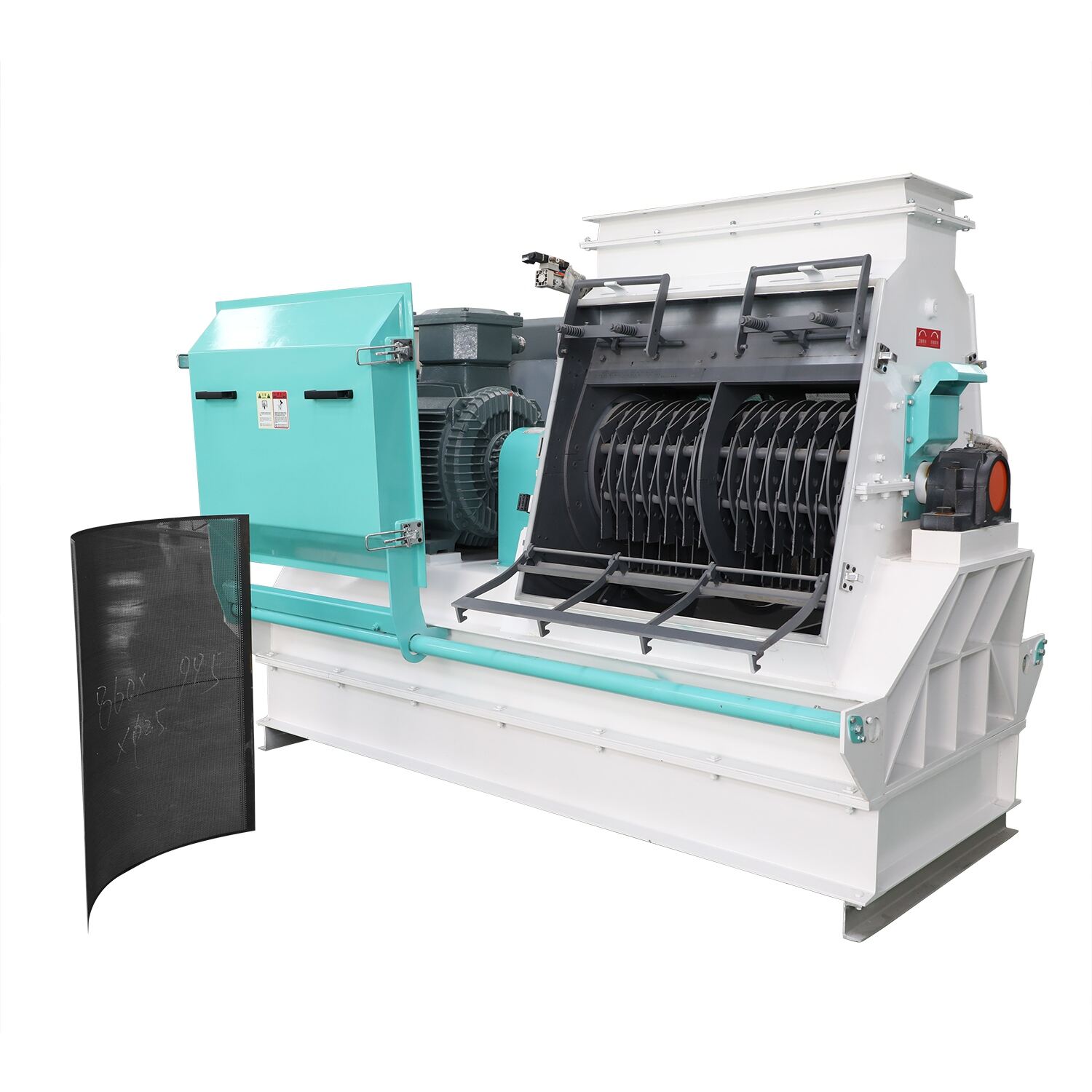
The hammer mill works on one significant component and that is the screen. This is a perforated wall that surrounds the grinding chamber and determines the final particle size of the product.The decision on the right screen size is not just a technical consideration, but also has a direct impact on production efficiency, product quality and operational costs.With over 30 years of experience, Shanghai Yuanyuda International Trade Co., Ltd specializes in customized turnkey solutions.as an expert in tailor-made turnkey solutions to know that proper selection of screens is the clue to any optimization of any grinding operation in ferment industry, fertilizer industry or new energy industry.
Understanding Screen Function
The last gatekeeper in the grinding process is the screen. Raw material enters the chamber where rotating hammers hit the raw material a number of times until it is fine enough to squeeze through the holes in the screen.Along with hammer speed, equipment design and feed rate, screen aperture size also impacts the grinding process. yet the aperture size of the screen is the most influential factor in your discharged product.
Key Selection Factors
1. Define Your Target Product Specifications
Begin with the clear purpose of particle size distribution which is required. Varied applications demand varying amounts of fineness: finer food fed to livestock is necessary than finer food fed to poultry, and either fine fertilizer powder, grain or intermediate can be used. Decide whether you require a fine powder or a coarse mixture. Your target requirements will determine the minimum requirements in making the selection of the aperture of the screen.
2. Analyze Material Characteristics
The behavior of each of the material, during grinding, is different. Consider the hardness, moisture content, fiber content and oil content.Smaller apertures can become blocked by materials with high moisture or high fiber content and may require larger opening or special design of the screen. The harder the material, the more the screens are worn off, therefore material hardness also comes into consideration when deciding the aperture to be used, and also the choice of the material to be used as a screen. Testing your actual materials in a trial run will give you the most accurate information on which screen type to use.
3. Balance Throughput and Fineness
Know the fundamental trade-off of production capacity and fineness of products. Smaller openings on the screens produce smaller particles but reduce throughput since the material takes longer time to reach the desired size in order to be discharged. The larger openings increase capacity but yields rough products. You should select the largest possible screen aperture that meets your target product particle size requirements, thereby maximizing production efficiency without compromising product quality.
4. Consider Screen Design Elements
Besides aperture size, there is also performance influenced by screen design. Round holes are provided with normal screening with good structural integrity. Slotted apertures permit faster movement of fibrous or long particle and may result in increased throughput of some materials. The ratio of the open area or the area of the hole and the surface of the solid screen affects the rate at which the ground material would be forced out of the chamber. It has been demonstrated that an increase in the amount of open area can tend to increase flow, although it may reduce the life of screens when used in abrasive applications.
Practical Selection Guidelines
Starting with desired final particle size, then with material properties. When dealing with fibrous materials, you may need to choose a screen with apertures that are slightly larger than you want your size of particle to be or you would need to resort to the art of making slotted structures. When dealing with free-flowing, low-moisture matter, however, it is often possible to select screens with holes as close to whatever size of particles you wish as you desire.
When your product looks too crude then your screen apertures are likely to be too large. Conversely, when your throughput is peculiarly sluggish, or your mill motor is using an excessive amount of power, your open screen resolutions may be too small or going hazy. Where there is a high wear rate, where the screens are used in an abrasive manner, then they should be given attention on the selection of the screen material. Hardened screens or abrasion resistant stainless steel is more expensive initially, yet has a significantly longer life, coupled with a higher degree of cost effectiveness over the medium and long term.
There is a need to have periodic inspection and maintenance.Inspecting wear on the screen can serve as evidence of uneven feed distribution or hammer wear.Clean the screens regularly to prevent blinding especially when working with materials that are more moist or having oil in them.
Expert Solutions from Yuanyuda
When you are deciding the best screen that suits your operation, there are several things to put into consideration. We do not simply provide the solution of supplying some equipment as is the case at Shanghai Yuanyuda International Trade Co., Ltd. Our customized process begins with possessing information related to your material specifications, manufacturing goals and quality requirements. Then we propose the best hammer mill design, in which the match requirements of the screens are met.
We have certified hammer mills, which we endorse with ISO, CE and SGS certifications, that we intend to be reliable in operations in different tasks. Our experience with clients in over 50 countries is important and we are aware of the details of challenges of different markets and materials. We offer a wide range of screen options and we also have services of continued technical support so that your operation can be in the best state.
The appropriate size of the screen that you use is very important to your profit and consistency of the product. We are professionals and we will assist you with the choice. Yuanyuda can consult you one-on-one and currently, we will help you to find the best tradeoff between the quality of products and production efficiency in your grinding processes.