
 EN
EN


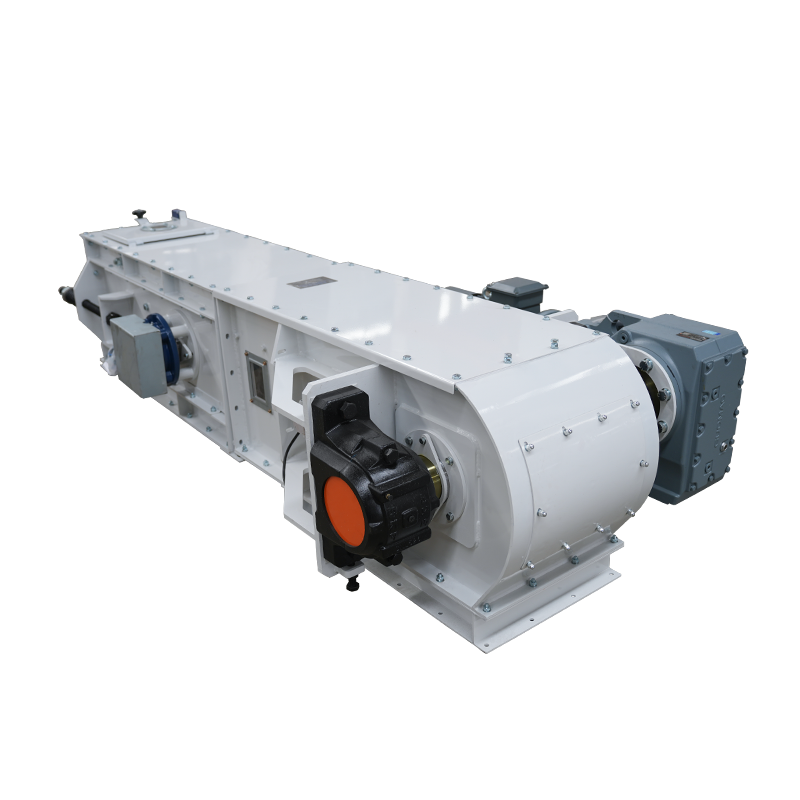
Chain conveyors are key machines that keep operations running to meet the growing demand for feed, fertilizer, and new-energy processing. They’re built robust to carry heavy loads, handle abrasive materials, and operate under heavy workloads. But, no matter how strong they are, they still require regular, careful maintenance.
At Shanghai Yuanyuda International Trade Co., Ltd., with over 30 years of experience in supplying durable industrial machinery, we believe that maintenance isn’t just an extra cost but an investment as it can help the machine to run longer. It also prevents unexpected downtime, extends the conveyor’s service life, and ensures safe and efficient operation. In this article we will provide practical guidelines for maintaining your chain conveyor to achieve long-lasting, high-performing operation:
The Cornerstone of Maintenance: Lubrication
Lubrication is crucial as it reduces friction, protects the chain’s pins, and prevents them from being damaged and helps to remove debris. Manufacturers recommend using lubricants for example in tough environments like fertilizer processing, a high-viscosity lubricant is required to resist moisture and chemical corrosion.So, you need to lubricate regularly because when the chain is clean and warm, the oil goes in properly. And many companies find that automatic lubrication systems are worthwhile as they can give a steady and even coverage.
Regular Inspection: Catch Problems Early
Frequent inspections can also help address minor issues before they escalate into major failures.So you need to carefully inspect damaged chains and sprockets, as they can easily damage the entire chain assembly. You also need to check the guides for any misalignment.Also, check the whole structure, the bolts, frame, and any built-up materials that might hinder operation.
Tension Control: Finding the "Sweet Spot"
The chain tension must be set correctly, it should be neither too tight nor too loose. If the chain is too tight,it will damage the chain, sprockets, and bearings, which can lead to motor overload.But, if it is too loose, the chain might whip or move unevenly, which can damage the system. So, always follow the manufacturer’s guidelines for tension adjustment.
Keep It Clean
When dealing with materials that absorb moisture, the moisture can cause corrosion.so to avoid this, always keep your conveyor clean. Dirt on the chain can increase friction, speed up wear, and can also lead to misalignment. So, make sure to have a proper cleaning regularly to remove thickly layered materials from the chain, flight bars, and conveyor housings. You also need to make sure that the drain holes are clear, so no waste liquids will accumulate.
Component Alignment: The Backbone of Smooth Operation
If the drive sprocket, tail sprocket, tracks, and frame are misaligned, it can quietly damage the conveyor over time. It can cause uneven wear on one side of the chain or sprockets, it consumes more power and increases the risk of chain damage. So, during inspections, you need to check the alignment to make sure that all drive components are properly aligned and functioning correctly.
Train Your Operators
Your maintenance plan will be effective if operators follow it.Make sure that your operators know how to detect unusual noises and how to see signs of damage. They should also know how to set up correctly and proper shutdown procedures to avoid shock loads and overloads on the chain when starting or stopping.
A Partnership for Performance
A well-maintained chain conveyor is a reliable asset. By following these practices regularly, you can help your business maintain steady production and prevent unexpected breakdowns. We support our customers not only with durable conveyors but also with detailed maintenance guidelines, spare parts, and technical advice to help you maintain top performance.