- Home
- Solution
- Products
- About Us
- Performance Case
- News
- Contact
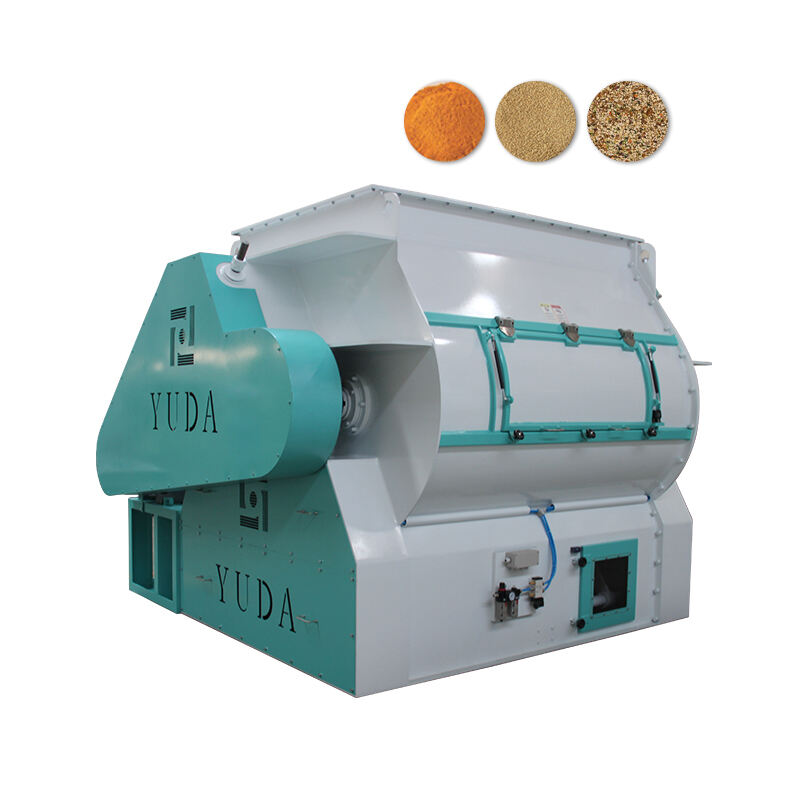
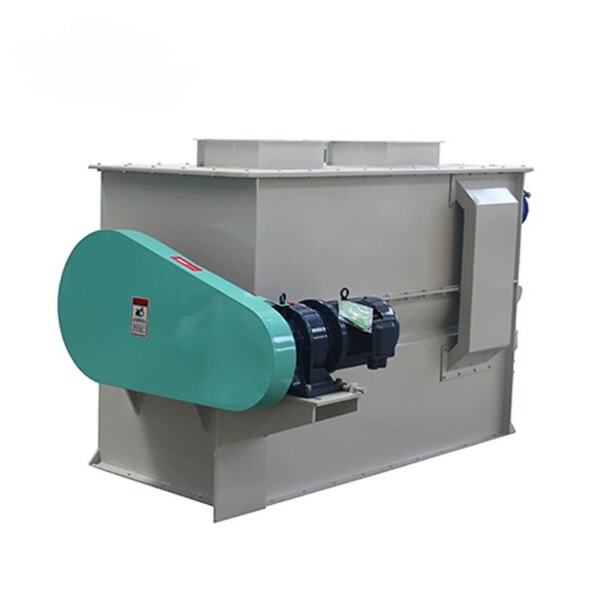
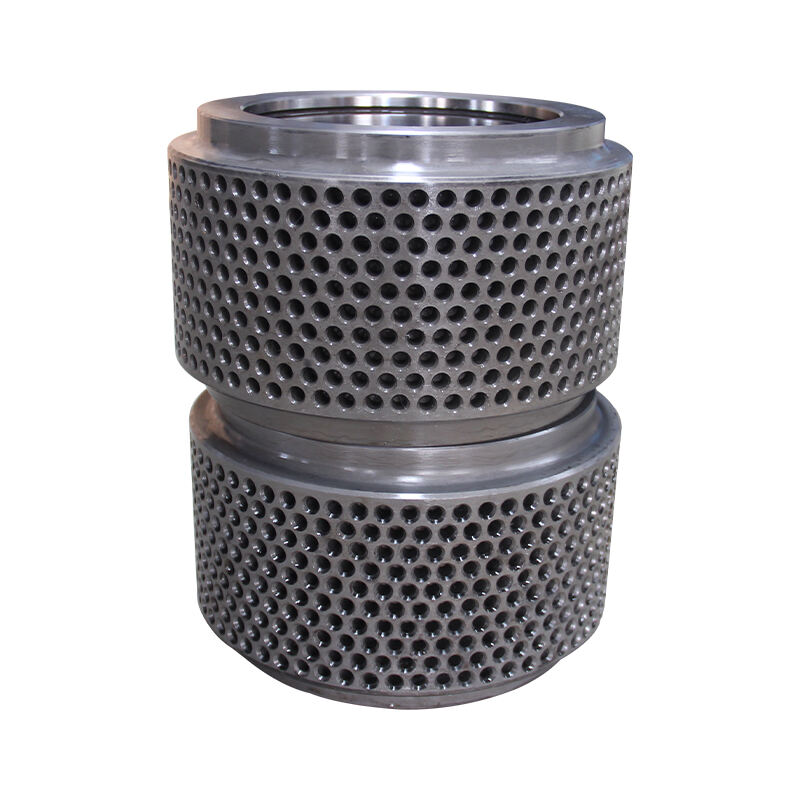
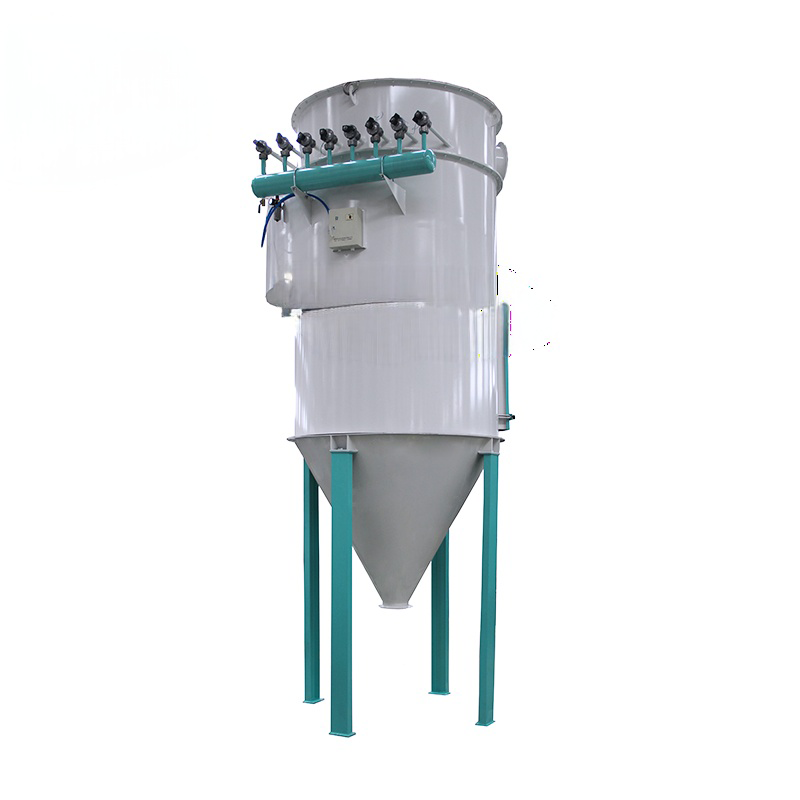
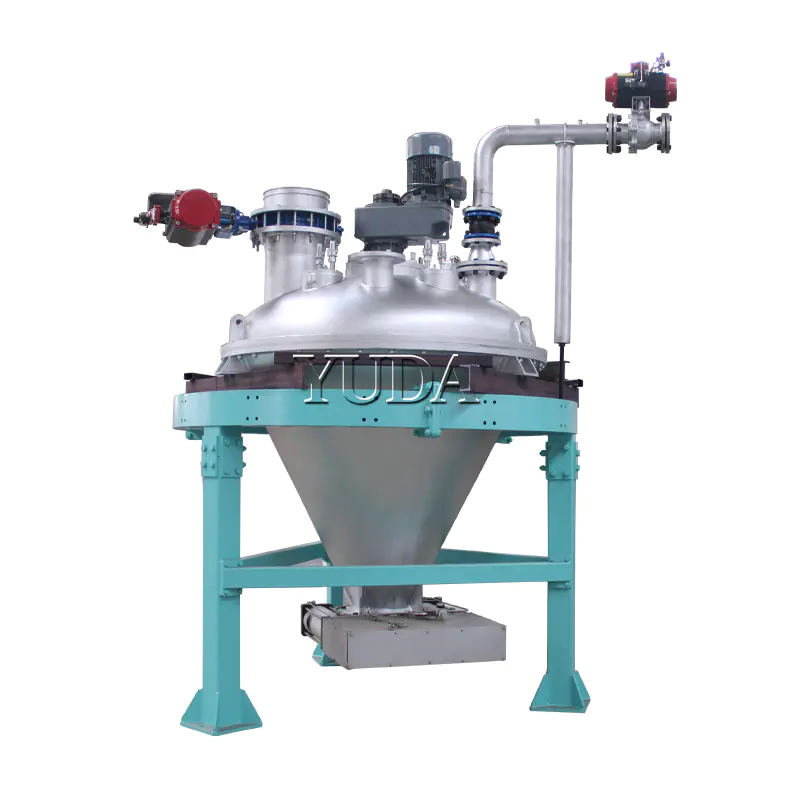
This is very important as far as feed use in animals in Turkey. Farmers need to give their animals good feed so that they can be strong and healthy. It is a livestock feed that can be partially produced by a livestock feed production line. It encompasses machines and processes that mix, grind and package feed for cows, chickens and other animals. Enterprises like Shanghai Yuanyuda produce these production lines, to assist farmers in upgrading. “With the right equipment, farmers can make more feed in a more efficient way, that’s good from the business standpoint — for both them and their animals,” he said.
When it comes to selecting the right livestock feed production line, there are a few things you should consider. But before you do any of that, you need to figure out what your needs are. What are the animals? Cows, goats, chickens, or pigs? Every animal needs a different amount of feed. Here’s another question to ask yourself in contemplating a new system: How much feed must you produce every day? A small farm may not need a beefy machine, but on a big one you’ll likely want something that can flip around large quantities of feed in relatively little time. The size and strength of the production line really matter. Likewise you need to think about how much room you have. Some of the machines are quite large, so be sure you have enough space in your barn or factory.
You’ll also want to consider how easy it is. Some lines are very complicated, while others are much simpler to run. You’re looking for something your workers can figure out how to use fast. Training is important too. Does the company offer assistance or training for your team? Finally, don’t just mention the price. You are looking for something between quality and cost. Sometimes you have to spend a little extra, for a better machine that will last longer. Considering these points will direct you to the right livestock feed production line on your farm.
For animal feed producers in Turkey, there are obstacles that can make it difficult to produce quality feed for animals. A big problem is the cost of raw materials. Ingredients, such as corn, soybeans and vitamins can fluctuate in cost. It gets more expensive to make feed when prices rise. This may result in a smaller margin for producers. There are some ways that producers can try to manage such a risk, says Gilbert: «They could attempt to buy materials in bulk when prices are low. They can also source locally to minimize transportation costs. A second difficulty is assembling a competent workforce. At times, workers may lack the right skills to produce high-quality feed. This can lead to either delay or low quality. To address that, companies like Shanghai Yuanyuda can provide training programs so workers can acquire the necessary skills. Good training can translate into better feed and a happier workforce.
Another problem is keeping up with rules and regulations. The government has lots of rules about animal feed to ensure it is safe. There could be occasions when producers are unaware of recent changes, and that might cause trouble. To keep up, producers should join farming groups in their area or workshops. These events are excellent opportunities to learn about new rules and trade tips with other producers. Lastly, competition is tough. It can be difficult to distinguish yourself when many other companies also want to sell livestock feed. Producers can counter this through quality and service. If they're producing good feed and giving good service to individual farmers, they can capture part of the market.
Maintaining consistent feed quality that is fed to livestock 24/7 is very important for producers. Since high-quality feed is actually eaten by animals and contributes to their healthy growth and well-being, farmers themselves are happy. Strict production criteria for feed can be one way to ensure quality. Producers need to have a recipe, with specific amounts of each ingredient. This is to ensure that each batch of feed contains the same nutrients. Checking the ingredients routinely is also imperative. Producers should also test ingredients before use to ensure they are fresh and safe. Companies like Shanghai Yuanyuda can also help by providing equipment to test quality.
Another great resource is government agricultural departments. They offer resources and assistance to farmers and producers. Most have programs to assist with funding, education and technology. To learn what services may be available, producers can contact their local office. Also professional organizations for the feed part of the livestock industry can be a great resource. These organizations put producers in touch with each other and distribute significant news in the sector. ‘If producers become members of an association they can also network with others going through the same tough time and problem solve.
livestock feed production line Turkey ERP and OA system management software to improve the organization's management capabilities and automate the office. It will also help in achieving rapid development output.
We make 90 percent of our livestock feed production line Turkey products. This lets us manage the cost at the location.We have more than 20 years of experience in manufacturing feed equipment and machinery. It is exported to Russia as well as more than 60 other countries like France, Malaysia and South Korea.
The company's territory is that is 34,500 square metres, has introduced a comprehensive set of cutting-edge technology CNC laser cutting equipment, livestock feed production line Turkey sandblasting equipment, automated welding machines large-scale shearing and bending equipment, CNC lathes, etc. We can take on a variety of sizes and types of turnkey complete projects to feed, encompassing all plant planning, design production of equipment, installation and commissioning, and personnel training.
The company was awarded the international ISO9001:2015 livestock feed production line Turkey.We have an in-house quality inspection department. Our team of highly trained inspectors is dedicated to making sure that every product that leaves our facility meets the highest standards of performance and environmental compliance. Our tests include evaluations of performance as well as durability tests and safety checks. Quality inspection procedures are rigorous and comprehensive.
 EN
EN