
 EN
EN


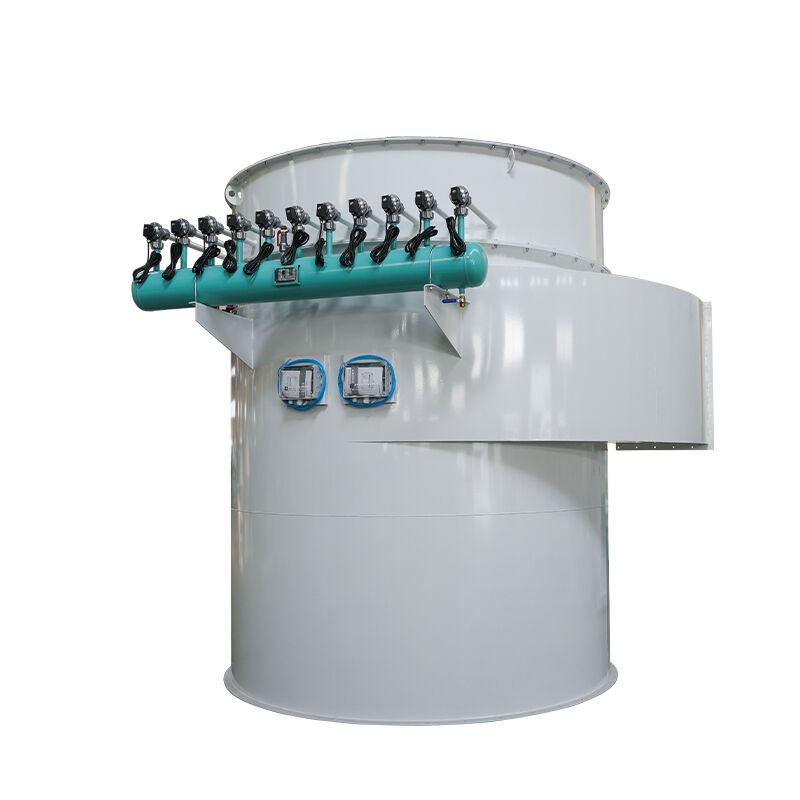
S druge opreme su nužnost za održavanje čistih, sigurnih i učinkovitih radova u tvornicama krmnih proizvoda, postrojenjima za đubriva i postrojenjima za preradu novih energetskih materijala. Međutim, svaki dobro izrađen sustav može imati problema s funkcionalnošću koja ga može učiniti manje učinkovitim, više troši energiju ili dovesti do ranog neuspjeha. U Shanghai Yuanyuda International Trade Co., Ltd., kao kvalificirani globalni dobavljač ključeva na ruke s više od 30 godina iskustva, razumijemo da je pravovremeno rješavanje problema ključni čimbenik u minimiziranju vremena zastoja. Ovaj dokument pruža pregled vodiča za rješavanje problema uobičajenih problema i njihova rješenja
Smanjenje brzine
Problem: sustav pokazuje sustavno povećanu razliku pritiska u filterskim vrećama. To znači da je protok zraka minimalan i ventilator mora raditi više, a to povećava cijenu energije i smanjuje učinkovitost prikupljanja.
Uzroci i rješenja:
Prekomjerno opterećenje prašinom: može postojati nedostatak sustava u odnosu na stvarnu zapreminu procesa.
Popravak: Pregled podataka procesa. Povećanje površine filtera, povećanje učestalosti čišćenja ili ugradnja pred-separatora za grube čestice mogu biti učinkovita rješenja.
Ako se ne primjenjuje primjena ovog članka, test se provodi na temelju ispitivanja za utvrđivanje vrijednosti.
Korekcija: osigurati da se pritisak za unos komprimiranog zraka održava u normalnom rasponu (85-100 psi). Ako je potrebno, ispitati se i u slučaju da se pojave blokade ili kvarovi. Provjerite funkcionalnost kontrolora vremenskoga.
U slučaju da se ne može primijeniti sustavna zaštita, potrebno je osigurati da se ne dovode u pitanje uvjeti za zaštitu od otpadnih plinova.
Popravak: U uvjetima niske temperature dovoljno izolirati kolektor i kanale. Provjerite i popravite curenje zraka. Ugradite nakonhladnjake ili sušivač zraka u komprimiranom zraku. Za upotrebu u vlažnim uvjetima treba koristiti hidrofobično premazane ili PTFE premazane medije za filtriranje.
Smanjenje pritiska (bez diferencijala pritiska)
Problem: Malo ili nijedna razlika pritiska se ne bilježi između filtera. To obično znači da plin u potpunosti zaobilazi filtrne medije, što rezultira izravnim izduvanjem nefiltriranog plina, što može uzrokovati onečišćenje okoliša i gubitak proizvoda.
Uzroci i rješenja:
Neuspjeh filternih vreća: vrećice su rastrgane, isprane ili su izgubljene iz kaveza.
Ukratko: Izolujte i provjerite svaki odjeljak. Ubrzo zamjeni oštećene vreće. U slučaju da se ne uspije instalirati, potrebno je utvrditi uzrok.
Ispuštanje Diplegs / Tube Sheets: Zakopac kaveza / Tube Sheet zapečaćenja su uništena.
Rezolucija: Isključite sustav i provjerite sve testere i područja za zapečaćivanje. U slučaju da se ne primjenjuje primjena ovog članka, provjerava se da li je primjena ovog članka primjenjiva na sve proizvode koji sadrže ovaj proizvod.
(Ustanovljeni u skladu s člankom 6. stavkom 2.
Problem: Nefiltrirana prašina izlazi kroz izlaz/stack čistog zraka, što se naziva neuspjehom filtracije.
Uzroci i rješenja:
Neuspešne vreće za filtriranje: U ovom slučaju, kao i u gornjoj, pukotine ili rupe omogućuju prolasak prašine.
Popravak: zamjenite oštećene vreće za filtriranje. Uvijek provjeravajte sve susjedne vreće jer čak i mali nedostatak može dovesti do otpuštanja opasnih čestica u okoliš.
U slučaju da je to potrebno, potrebno je utvrditi da je to potrebno za ispitivanje.
U slučaju da se ne provede ispitivanje, ispitni materijal se može upotrijebiti za ispitivanje. Provjerite i stegnite sve vijke i zamijenite sve iscrpljene ili oštećene pečate i testere.
Neispravni mediji za filtriranje: Mediji nisu pravi tkanina ili felt za veličinu čestica.
Popravak: Poslušajte tehničkog stručnjaka (npr. Yuanyuda) za odabir odgovarajuće mase medija, završetka (npr. kalandrovane završetke) ili membranske laminate pogodne za filtriranje čestica ispod mikrona.
Problemi s komprimiranim zrakom
U slučaju da se ne provede primjena, sustav će se koristiti za određivanje vrijednosti.
Uzroci i rješenja:
Uzrok niskog tlaka zraka: Kompresor zraka je premalo velik ili su zračne cijevi previše duge, premalo velike ili curenje.
Popravak: provjera kompresora zraka. Dijametar zrakoplovnih prijevoznika trebao bi biti dovoljan. Popravi sve curenja. U slučaju da se ne primjenjuje preskusni sustav, ispitivanje se provodi u skladu s člankom 6. stavkom 2.
U slučaju da je proizvodna linija zamrznuta ili začepljena, ona se može koristiti za proizvodnju proizvoda koji su zamrznuti ili za proizvodnju proizvoda koji su zamrznuti ili začepljeni.
U slučaju da se ne primjenjuje primjena ovog standarda, ispitna tijela mogu se koristiti za ispitivanje. U slučaju da je primatelj zraka u stanju da se ne može vratiti, potrebno je provesti i ispuštanje.
Ako je to potrebno, potrebno je osigurati da se ne pojačavaju.
Sledeći korak: Pravilno sprovodi preventivno održavanje sustava. U slučaju da je potrebno, potrebno je spremiti rezervne valvice i membrane.
Nenormalni zvukovi
Simptom: škrcanje, udaraj ili visoka zvižduka.
Uzroci i rješenja:
U slučaju da je sustav za čišćenje otkazan, mora se upotrijebiti sustav za čistila.
U slučaju da se ne primjenjuje primjena ovog članka, provjera mora biti obavljena u skladu s člankom 6. stavkom 2.
Pješčanje/Visoka brzina: To je znak da postoji curenje zraka, a curenje može biti odvojeno od tesnoće ili proboj u vodovodu.
Popravak: Provjerite sveobuhvatnu inspekciju curenja zraka kako slijedi.
Mehanska buka iz ventilatora: uzrokovana neravnotežom lopate ventilatora, nakupljanjem materijala ili prekomjernom nošenjem.
Popravak: Napravite i obavite čišćenje ventilatora i inspekciju. U slučaju da se ne primjenjuje, ispitni sustav mora biti u stanju da provjeri da li su ventilatori u stanju da se nose i da li je razina mazanja odgovarajuća.
Proaktivna prevencija uz Yuanyudaovu stručnost
Iako je ponekad potrebno rješavanje problema, najuspješnija je strategija prevencije kroz pravilnu konstrukciju, pravilnu selekciju opreme i redovito održavanje. U Shanghai Yuanyuda International Trade Co., Ltd, osiguravamo da su naši sakupljači prašine za puls prilagođeni prilagođenju obrađenom materijalu (npr. prah hrane, fine gnojiva ili prahove nove energije), količini procesa zraka i uvjetima okoliša na licu mjesta putem naših prilagođenih rješenja
Nemojte dopustiti da vam problemi s sakupljačem prašine utječu na produktivnost. Kontaktirajte naš globalni tim za pomoć za dobivanje profesionalnih savjeta za rješavanje problema, nabavku originalnih rezervnih dijelova ili zatražite kompletnu reviziju sustava. Poslužili smo klijentima u više od 50 zemalja, i osigurat ćemo da vaše poslovanje ostane čisto i učinkovito godinama koje dolaze.