
 EN
EN


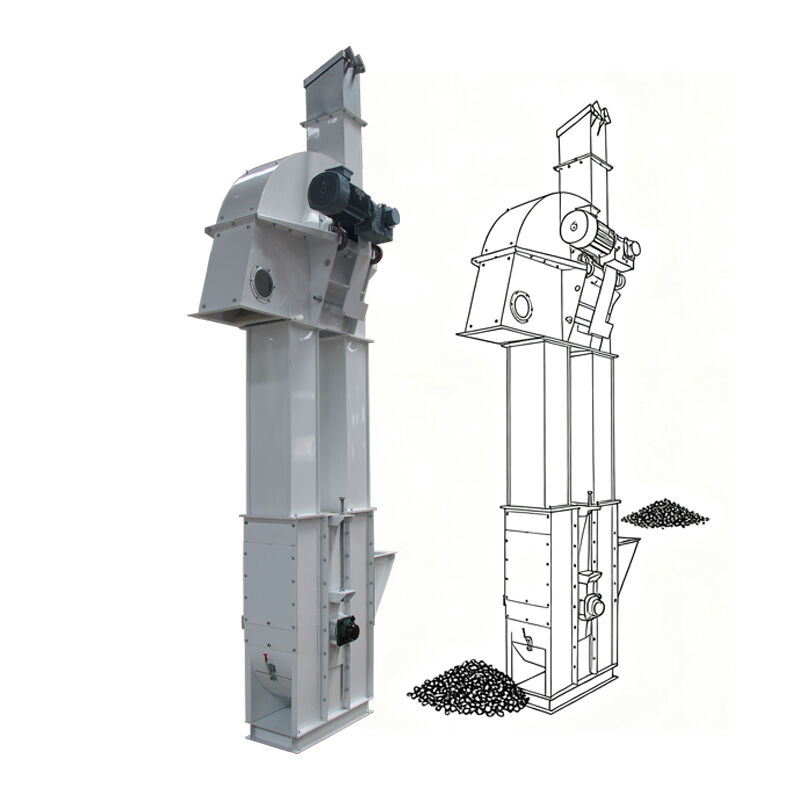
Նյութերի մշակման համակարգում ձեր կողմից կատարվող ամենակարևոր որոշումներից մեկը՝ վանդակավոր վերելակ մեքենայի ընտրությունն է. դա ամբողջությամբ կախված է ձեր սեղմված նյութի ֆիզիկական հատկություններից. այն մանր փոշի՞ է, թե՞ գրանուլյար նյութ: Չնայած նյութը մի շարք մականներով վերև-ներքև տեղափոխելու հիմնարար գաղափարը նույնն է, սակայն նախագծման և շահագործման պահանջները մեծապես տարբերվում են: Մենք ավելի քան երեսուն տարի ենք աշխատում բարձր կատարողականությամբ սարքավորումներ մատակարարելու համար մեր հաճախորդներին ամբողջ աշխարհում: Շանհայի Յուանյուդա միջազգային առևտրային ընկերությունում մենք հասկանում ենք, որ սխալ կոնֆիգուրացիայի ընտրությունը կարող է հանգեցնել անարդյունավետության, արտադրանքի որակի վատացման և նույնիսկ համակարգի ավարիայի: Այս փաստաթուղթը ձեզ ներկայացնում է փոշիային և գրանուլյար նյութերի համար օպտիմալացված մականավոր բարձրացուցիչների միջև հիմնական տարբերությունները:
Հիմնական նախագծման կենտրոնացում՝ պահպանում ընդդեմ հոսքի
Պողպատե նյութեր. Պահպանումը և փոշու վերահսկումը դեպքում ամենաբարձր պրիորիտետային խնդիրն է: Մանր փոշիները հա tendency ունեն օդային միջավայրում լողալ, հեղուկանալ և ստեղծել փոշու ամպեր: Փոշու բարձրացնողների տարածված տեսակներն են՝ անընդհատ գույզավոր բարձրացնողները և փակ ցենտրիֆուգային դուրսբերման տիպի սարքերը: Գույզերը տեղադրված են միմյանց մոտ՝ համեմատաբար փոքր միջակայքերով՝ հատուկ արտահոսքի կանխարգելման նպատակով: Դրանք տեղադրված են փակ կապսուլներում՝ ճիշտ համապատասխանող կափարիչներով, որոնք ապահովում են փոշու նկատմամբ լիովին փակ միջավայր, իսկ սովորաբար այդ կապսուլները լրացուցիչ ամրացվում են հատուկ սեղմանիչ մասնիկներով և օդային փականներով (արտահանման/ներմուծման մուտքերում), որպեսզի ճնշման տարբերությունները չառաջացնեն փոշու արտահոսք:
Հիմնական խնդիրը հատիկավոր նյութերի դեպքում. Հիմնական խնդիրը արդյունավետ մաքուր դուրսբերումն է և վերցնելը: Պելետները (օրինակ՝ հացահատիկ, պարարտանյութեր և այլն) ավելի քիչ փոշետեսական են և ազատ հոսուն: Կենտրոնաձիգ դուրսբերման դույլավոր բարձրացուցիչներն են ամենատարածվածները: Այստեղ դույլերի միջև հեռավորությունը մեծացվում է, իսկ կոնստրուկցիան օգտագործում է գլխավոր պոլիսի կենտրոնաձիգ ուժը՝ նյութը նետելու դուրսբերման ավազանի մեջ: Կապսուլը օդափոխվում է և չի պահանջում այնքան բարձր մակարդակի հերմետիկ կնքում, որքան փոշիային համակարգերը:
Դույլի ձևը և տարածությունը
Փոշիային դույլեր. Սովորաբար սա իրականացվում է շարունակական, իրար մոտ տեղադրված դույլերով, որոնք կարող են լինել խորը և նեղ: Դրանց կոնստրուկցիան նպատակ ունի նվազեցնել հետադարձ արտահոսքը, երբ բարձրացող դույլերի բովանդակությունը արտահոսում է իջնող ճյուղի մեջ: Բացի այդ, օգտագործվում են միմյանց վրա ծածկվող կողմերով դույլեր՝ ստեղծելու գրեթե անընդհատ տարաների շարք, որպեսզի նյութը չկարողանա մնալ դրանց միջև:
Գրանուլյար դույլեր. Այս տիպի դույլերը տեղադրվում են միմյանցից հեռավորության վրա (օրինակ՝ AA կամ CC ոճով) և հաճախ ավելի լայն են և ոչ այնքան խորը: Այս տեղադրումը թույլ է տալիս գրանուլներին ազատ հոսել դույլերի մեջ բեռնման ժամանակ մեքենայի մուտքի մոտ և ապահովում է լիարժեք ու մաքուր ցենտրիֆուգային թափք գլխային հատվածում՝ առանց դույլերի միմյանց մեջ մտնելու:
Բեռնման և թափքի մեխանիկա
Պատվաստանյութի բեռնում. Պատվաստանյութի բարձրացնողները կարող են օգտագործել ինդուկցիոն բեռնում, երբ նյութը վերևի ուղղությամբ շարժվող դույլերի մեջ բեռնվում է վերահսկվող եղանակով՝ օդի չափից շատ մտնելը և փոշու առաջացումը կանխելու համար: Ավելի տարածված մեթոդը գրավիտացիոն թափքն է, երբ գլխային հատվածում դույլերը շրջվում են՝ ապահովելու համար, որ դրանց պարունակությունը դանդաղ անցնի դույլերից դուրս գրավիտացիոն ուժի ազդեցությամբ, ինչը նվազեցնում է ապրանքի վնասվածքի և փոշու առաջացման հավանականությունը:
Գրանուլյար լցում. Սա ցենտրիֆուգային կամ սկուփային լցում է, որը կատարվում է բեռնավորման սարքի այն հատվածում, որտեղ շարժվող դարակները վերցնում են ազատ հոսող նյութը: Ամենատարածված մեթոդը ցենտրիֆուգային դուրսբերումն է, որտեղ շահագործման արագությունը բավարար է դարակներից գրանուլների դուրս շպրտման համար, երբ դարակները շրջում են գլխավոր շարժաբանի շուրջը, ինչը հնարավորություն է տալիս ապահովել դրական դուրսբերում:
Շահագործման արագություն և հզորություն
Փոշիային բարձրացուցիչներ դրանք ավելի հավանական է, որ աշխատեն ցածր ժապավենի կամ շղթայի արագությամբ: Բարձր արագությունները կարող են առաջացնել փոշու հեղուկացում, ինչը հանգեցնում է փոշու հետ կապված խնդիրների և անկարողության՝ արդյունավետ լցնել սայլակները: Սա ձեռք է բերվում սայլակների մոտ տեղադրման շնորհիվ, այլ ոչ թե բարձր արագությամբ տեղադրման միջոցով:
Գրանուլյար բարձրացուցիչներ. Այս տիպի բարձրացուցիչները ավելի արագ են աշխատում՝ ապահովելու դուրսբերման համար անհրաժեշտ ցենտրիֆուգային ուժը: Շահագործման արագության մեծացումը, որը համատեղված է դարակների չափսի և միջակայքի հետ, բարձրացուցիչի հզորությունը բարձրացնելու հիմնարար գործոն է:
Կառուցվածք և լուծարում
Պուդրի համակարգեր. Անհրաժեշտ է լինել լրիվ կնքված: Կորպուսները պատրաստված են ավելի հաստ մետաղալարից, մուտքի դռները փոշու դեմ կնքված են սեղմվող սեալային միջոցներով, իսկ զննման վահանակները՝ փակված: Պարանոցային և առանցքային սեալերը տեղադրված են արտաքին կողմում՝ փոշու ներթափանցման կանխարգելման համար, որը կարող է հեշտությամբ առաջացնել արագ մաշվելու և բաղադրիչների ձախողման խնդիր: Գրանուլյար համակարգեր. Այս համակարգերը համեմատաբար ամուր են և պահանջում են ավելի թույլ պահանջներ կնքման վերաբերյալ: Ճնշման հավասարակշռման համար սովորաբար օգտագործվում են օդափոխման վահանակներ կամ փոշու վերացման անցքեր: Նախագծման մեջ առաջնային է աբրազիվ դիմացկունությունը լցման և դուրսբերման կետերում, որտեղ գրանուլները առաջացնում են աբրազիվ ազդեցություն:
Հատուկ համարժեքներ
Պուդրի վտանգներ. Կա պայթեցնող պուդր: Այս նյութերը պետք է մշակվեն պայթյունից պաշտպանված կառուցվածքով վերելակներով, որոնք ունեն հակաստատիկ հատկություններ և հատուկ էլեկտրական բաղադրիչներ՝ համապատասխանելով ATEX ստանդարտներին: Սա այն ուղղություններից մեկն է, որտեղ մեր մասնագիտական գիտելիքները և հաստատված սարքավորումները (ISO, CE, SGS) օտարերկրյա հաճախորդներին ապահովում են վստահությամբ և ստանդարտներին համապատասխանությամբ:
Մասնիկավոր մաշվածություն և քայքայում. Դժվար անկյունագիծ մասնիկները բացառապես մաշվող են: Կարող է պահանջվել մաշվածության դեմ դիմացող ստալի կամ ծածկույթ բակետների և լայնարձակիչների վրա: Երբ մշակվում են փխրուն մասնիկներ (օրինակ՝ որոշ պարարտանյութեր), գրավիտացիոն թափման համար օգտագործվում է մեղմ, ցածր բարձրության թափում՝ մասնիկների կոտրվելը կանխելու համար:
Ընտրել ճիշտ ընկեր
Պուդրային և մասնիկավոր տիպի բակետային բարձրացուցիչների ընտրությունը պարզ մոդիֆիկացիայի հարց չէ: Այն պահանջում է ճշգրիտ ինժեներական հաշվարկ՝ հիմնված նյութի բնութագրերի վրա, ինչպես օրինակ՝ խտությունը, մասնիկների չափը, հոսունությունը, մաշվածությունը և պայթեցման վտանգը:
Շանհայի Յուանյուդա միջազգային առևտրային ընկերությունում մենք օգտագործում ենք մեր 30-ամյա փորձը՝ հարմարեցված ամբողջական լուծումներ մատակարարելու համար . Սկսած սկզբնական նախագծային մշակումից և նյութերի վերլուծությունից մինչև օպտիմալ համակարգի տեղադրումը՝ մենք ապահովում ենք, որ ձեր սայլակավորված բարձրացուցիչը՝ թե նրան նախատեսված է թավշանման ածխածնի փոշի բարձրացնելու, թե մշակված կենդանիների կերի գրանուլներ բարձրացնելու համար, ապահովի առավելագույն արդյունավետություն, հուսալիություն և մաքրություն: Մեր սերտիֆիկացված (ISO, CE, SGS) սարքավորումները վստահության են արժանացել 50-ից ավելի երկրների հաճախորդների կողմից՝ կերի, պարարտանյութերի և նոր էներգիայի ոլորտներում առաջատար արդյունավետության համար:
Կապվեք մեզ այսօր խորհրդատվության համար: Թույլ տվեք, որ մեր փորձառությունը ձեզ ուղղորդի ձեր ապրանքի պաշտպանությունն ապահովող և ձեր արտադրողականությունը բարձրացնող իդեալական ուղղաձիգ տեղափոխման լուծման ընտրության մեջ: