
 EN
EN


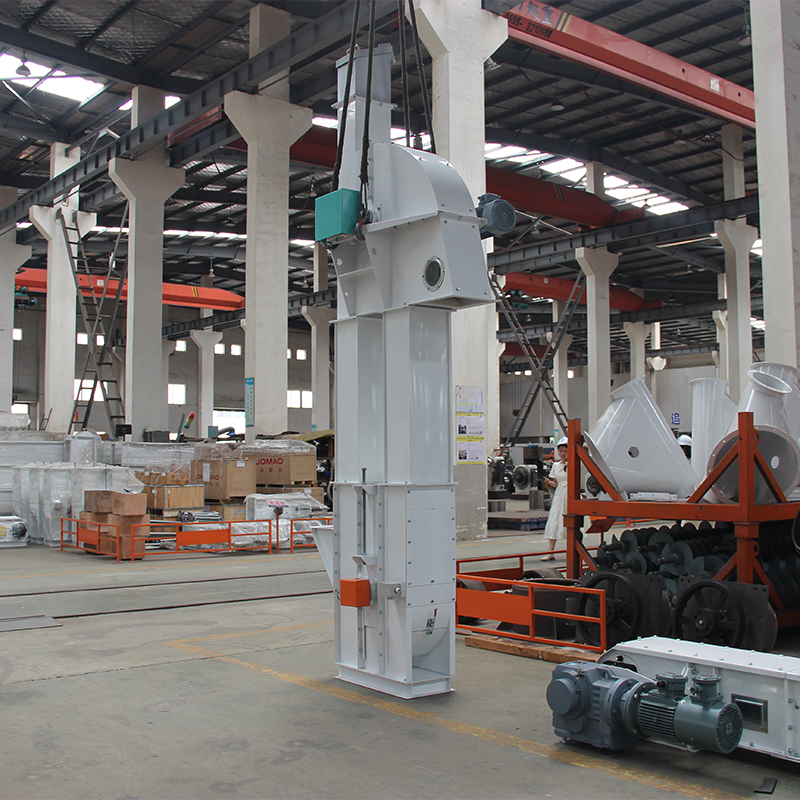
Веребни подизачи су врста опреме за руковођење насипним материјалима која је важна у обради хране за биљке за ђубрива и друге нове апликације везане за енергију. Међутим, континуирано функционисање у екстремним условима доводи до неизбежног зноја. Међутим, постојана употреба и услови коришћења би били екстремних услова и достигли би одређену чврстију знојност која не би била избеглива. Износ и крзње такође резултирају скупим временом простора и одржавањем, а да не помињемо смањење укупне перформанси система и сигурности.
Наше искуство у дизајну и снабдевању опреме (сертификована опрема ИСО, ЦЕ, СГС) опсегава више од 30 година у више од 50 земаља и стога имамо велико искуство у осигурању да опрема има дуг живот у Шангају Јуањуда Интернатионал Тхеред Цо, Корак који треба израчунати да се уштеди много у лифт са кофама износ и продужење корисног живота је практичан водич као што је наведено испод.
Почни са правом конструкцијом и избором
Бојна ношење пре инсталације кроз прави дизајн.
Анализирајте карактеристике материјала: Свойства вашег материјала, било да је то абразивна зрна ђубрива, прашна зрна хране или корозивна зрна нове енергетске сировине, одређују како се конструкција лифта. Зна његову корозивност, влагу, величину, температуру и величину честица.
Изаберите на основу услова дужности:У анализи, изаберите:
Материјал кочије: високо абразивни челик Кочије: отпорни на абразију челик или полиетилен. Корозивна употреба може захтевати нерђајући челик.
Ланци/пеза и прљавци/пољке: Користите оштре ланце, висококвалитетне пољке за подизање са јаким кличевима и правилно профилиране прљавце/пољке како би се осигурало да нема клизања или неједнакостаног хабања.
Уграђивачи за корпус: Уграђивачи за износ се уклањају на секције са високим ударом, као што је секција за отпор, тако да главни корпус није оштећен.
Проверите да ли је прецизно са инсталацијом и усклађивањем
Најквалитетнији материјали ће се у ограниченом времену раздрати у случају да нису правилно причвршћени.
Савршено усклађивање: Недостатак центрирања између ноге и главе може се сматрати једним од главних разлога неједнаког зноја појаса/верице, огребања и преоптерећења лежаја. Уверите се да су валови исправно изведени.
Напредност појаса/ ланца: Ово треба да се уради у складу са спецификацијама произвођача. Напређење на компоненте и лежајеве узрокује пренапређење, клизање и бичење које узрокују оштећење услед удара.
Фундација без вибрација: Ово је потребно да се осигура да цела структура није под притиском и напетошћу.
Примите оптималну оперативну праксу
Како свакодневно управљате лифтом значајно утиче на начин на који се свакодневно возите лифтом.
Контролна стопа подавања: Избегавајте преоптерећење. Увек затушен лифт додаће неоправдано оптерећење на покретач, лежајеве, као и појас / ланац. Контролисани прилив мора бити контролисан помоћу регулисаних уређаја за храњење (као што је вибрациони храњеч или сврб конвејдер ).
Пусто покретање: Покретите лифт празан, посебно центрифугалне моделе испуштања. Покретање лифта празним цевима, посебно центрифугалним моделима испуштања, је пожељно. Ово смањује масивно покретачко оптерећење пригонског погон.
Погледајте учинак наношења и ислачења: Када учините наношење и ислажење материјала у багажник, уверите се да је материјал постављен у правом правцу (у центру и са одговарајућом брзином) како би се осигурало да ведра не буду директно ударена. Излазник за испуштање треба да буде прозрачан како би се осигурало да се материјал не враћа и рециклира и не прелива.
Посветите се активном програму одржавања
Трошкови превенције су мањи од трошкова лечења.
Израдити контролну листу:
Дневно/недељно: буке (крепање, ударање). Истражите проливање материјала, износ или неисправност.
Месечно: Уверите се да су бучки за проверу чврсти. истегнути / појас и износ вериге за проверу. Погледајте усне и леђа буке и утврдите да ли су танке или криве.
Квартално/годишње: Требало би да се уради темељном инспекцијом свих лежања, затварања, зубова и задоцњавања шкива. Проверите корпус контактних сочива.
Следите строг распоред марења: бар у погледу везнични подизачи онда треба пратити чврст распоред марења са употребом препорученог мастила. У другим случајевима, прекомерна количина масти може бити увлачена прашином и песком, стварајући абразивну пасту.
Држите га чистим: У кућишту, сваки материјал који се пролива је абразив. Редовно оперете чекиће да бисте били сигурни да се овај материјал не може поново користити, да би се ведра и појаси носили у мање времена.
Мониторинг носи и паметна надоградња
Проверите Критичне преовлађујуће параметре: инсталирајте амперметре на покретач. Амеража може постепено повећавати због погрешног усклађивања, везања или преоптерећења.
Усавршени делови који се не издрже зноја: Уколико се делови издрже током периода одржавања, боље је заменити материјал бољим. Неке од њих укључују коришћење керамичких линеризованих или оштрих ведра уместо нормалних челичних ведра на местима са високим степеном абразије.
Заштитна опрема: Сензори нивоа на багажума за спречавање препуњавања и удара на месту за учињавање за умирање удара падајућег материјала су закрчени.
Радио са стручношћу у дугорочном
Смањење хабања није пројекат већ филозофија која укључује прави избор, исправну употребу поред доброг плана за негу. Основа ће се користити за издржљивост лифта за канте у Шангају Јуањуда Интернатионал Тхеред Цо, Лтд. Наша пословна решења "начин за рад" би се користила да одговарају вашој опреми и процесу материјала од када је дизајниран.
Штавише, наша глобална мрежа подршке и 30-годишње искуство могу нам помоћи да вам понудимо тачне резервне делове, препоруке за одржавање и понуде за модернизацију које ће помоћи вашем лифту да остане активан и ефикасан чак и током деценија и превести у повећани РОИ.
Позовите нас и погледајте шта имамо да кажемо у погледу нашег високог перформансног и дуготрајног лифта за канте и шта можемо да урадимо да вам помогнемо у рационализацији вашег система руковања материјалима на најмање могуће зношење, као и највише могуће време рада. Треба да будемо у стању да поставим ефикасније и одрживије функционисање.