
 EN
EN


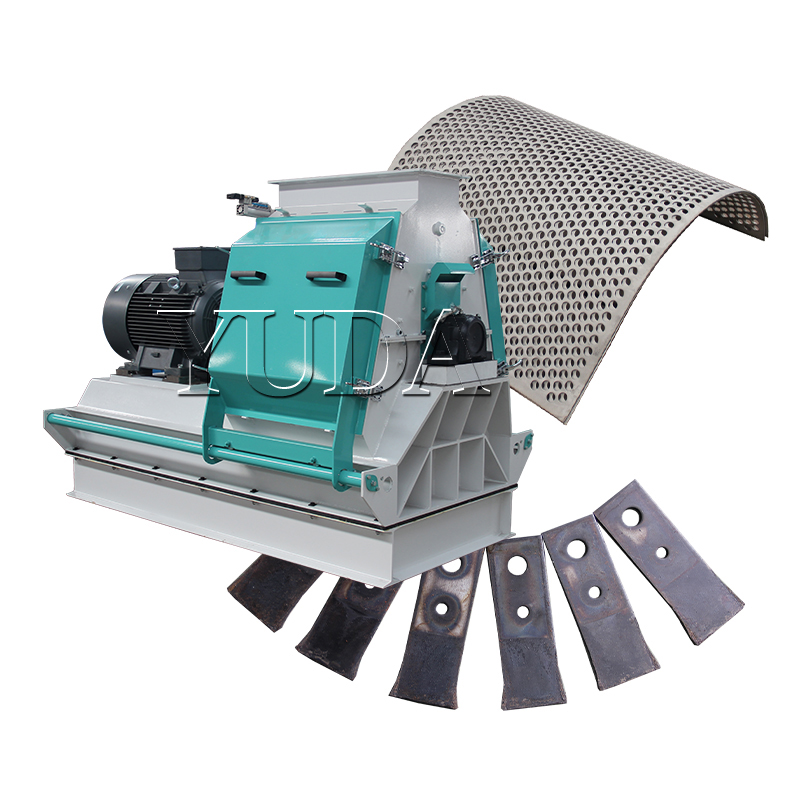
The rotor is at the core of any hammer mill for corn. Day in and day out the rotor is subjected to aggressive corn kernels, tramp metal and the jarring effect of the rotor's high speed. An unbalanced or worn rotor doesn't just stop production, it causes downtime, shortens bearing life, worst of all, and leads to a rotor explosion. For all grain hammer mills, extending rotor service life is one of the most cost-effective maintenance measures. Shanghai Yuanyuda International Trade Co., Ltd. uses years of field experience with its SFSP hammer mills to give practical maintenance advice that goes a long way toward protecting a vital component without getting overly technical.
Balance the Rotor Assembly Regularly
The most effective way to prevent early wear is by keeping the rotor in perfect balance. Even small imbalances caused by an unevenly worn hammer or a weight difference between hammers will send shocks through your bearings, shafts, and mounting frames and can prematurely stress every component attached. For this reason, it’s critical to check your rotor balance any time hammers are changed or rotated. You’ll want to weigh each hammer and mount them on the rotor in opposing pairs so that the weight on both sides is evenly distributed. After you’ve finished installing new or rotated hammers, spin the rotor slowly by hand to ensure that it rotates freely without any wobbling or vibration. Shanghai Yuanyuda International Trade Co., Ltd. recommends conduct full dynamic balancing tests at least twice a year on those hammer mills processing a significant volume of corn to prevent major problems down the line.
Inspect and Rotate Hammers at Correct Intervals
The wear patterns on the hammers of your hammer mill will depend on the corn's moisture level, rate of feed, and screen hole size. Wear occurs primarily on the hammer's leading edge, making it round, rather than the rear. Eventually, worn hammers lose crushing efficiency, forcing the rotor to operate beyond its designed load capacity, which leads to greater energy consumption and heating. For longevity, hammers must be rotated frequently. Typically, it is time to flip each hammer end-to-end whenever it is 30% worn from its original thickness, and it's best to move the hammers from the outside slots to the inside slots and from the inside slots to the outside slots so the rotor wears evenly from side to side. It’s important to keep a log of hammer hours. Shanghai Yuanyuda International Trade Co., Ltd. can supply the correct replacement kits to match your corn quality, and provide guidance on rotation schedule based on the throughput of your particular hammer mill-usually somewhere between 200 and 400 operating hours for typical dry corn.
Monitor Bearing Temperature and Lubrication
Your hammer mill rotor needs the support of large heavy duty bearings that remain accurately positioned under heavy loads. High temperatures are bearing killers! Excess or insufficient grease, misalignment, and improperly adjusted mounting hardware will usually cause an abnormal temperature rise. Install a basic handheld infrared thermometer on the mill so you can periodically Check the temperature of bearing housings. Any reading more than 10 °C above the normal operating value is a warning signal and warrants investigation. Use high-temperature lithium grease and don’t over-grease, as it can damage seals, force lubricants out, and encourage dust ingress. Shanghai Yuanyuda International Trade Co., Ltd. suggests cleaning grease nipples prior to each application and running the mill a minute or two After you finish installing new or rotated hammers, slowly rotate the rotor by hand. Prompt replacement of bearings, before they begin to whine or grind, can prevent rotor damage as well as lost production time.
Keep the Grinding Chamber Free of Debris and Foreign Objects
Foreign matter mixed with grain entering the corn hammer mill — especially stones, dirt and metals — may cause component damage in the form of dings on the rotor disc, breaking of hammer pins, or simply an uneven buildup on the rotor assembly itself. This debris should always be removed, as it eventually causes rotor imbalance. A magnetic separator and a screen before the mill help, but regular visual checks are essential. During routine maintenance downtime, make a point to open the inspection door and check the grinding chamber for buildup around the rotor and clear any adhered materials from the mill casing. Using a brush or compressed air to clean the rotor and bearing areas is good preventive maintenance. Yuanyuda's SFSP series hammer mills feature quick-release screens and easily accessible cleaning ports to make the job much simpler.
Simply put: your rotor life is based on balanced hammer assembly, cycling of hammers to ensure even wear, lubrication and temp controls on bearings, and a clean grinding chamber. These small daily maintenance steps, when consistently followed, will protect your core component and guarantee stable continuous operation. Shanghai Yuanyuda International Trade Co., Ltd. Has Genuine SFSP Hammer Mill spare parts, maintenance guidelines and replacement kits for sale, with technicians available to provide technical guidance if needed to ensure continued rotor life.
