
 EN
EN


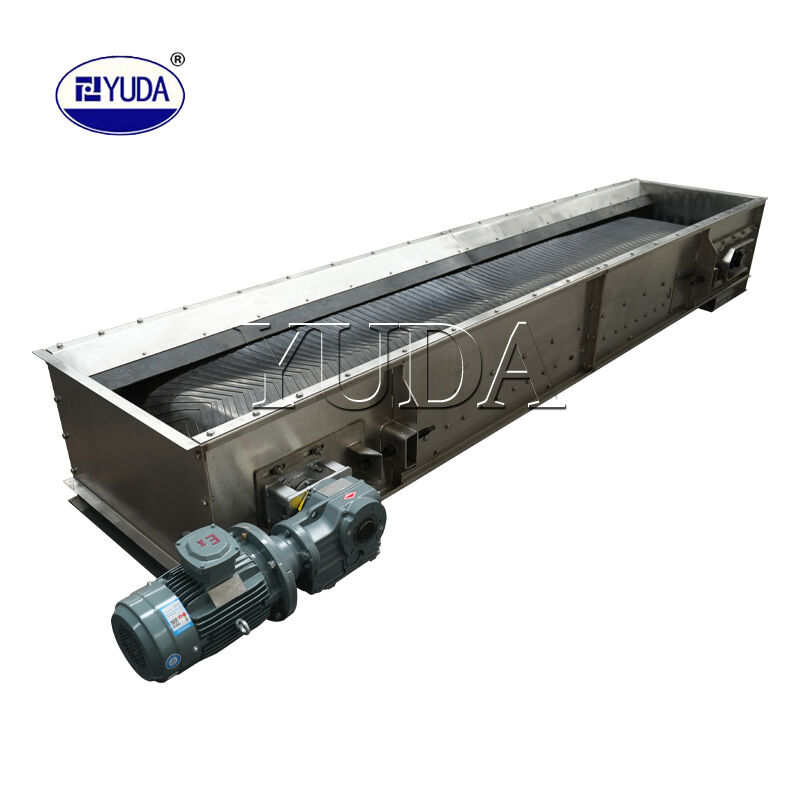
Belt conveyor problems halt production, damage machinery, and compromise safety. The most common problems are belt tracking issues (the belt drifting to one side) and belt slippage, where the belt loses grip on the drive pulley. Fortunately, both problems can be avoided or corrected with careful adjustment. Shanghai Yuanyuda International Trade Co., Ltd. explains how to identify and repair two of the most common belt conveyor issues**.**
Common Causes of Belt Misalignment and Slippage
Tracking problems usually stem from similar factors, with one primary root cause. Unevenly loaded belts cause tracking problems. If material tends to accumulate on one side of the belt, the belt naturally rides towards the heavier side. Misaligned idlers or pulleys also contribute to tracking issues. If the drive, tail, or any impact idler is not squarely aligned with the belt path, the belt will ride off center. Damage to the conveyor frame caused by impact or normal use will twist the belt path, resulting in belt drift. Buildup of material on idlers or pulleys causes high spots, thereby pushing the belt from center. Insufficient belt tension is the most common cause of belt slippage. A slack belt cannot provide sufficient friction against the drive pulley, and if the surfaces of either the belt or the drive pulley are wet or oily, a similar condition will result from a reduced coefficient of friction. Worn drive pulley lagging is also a common contributor to slippage.
Step-by-Step Methods to Correct Belt Tracking Problems
As with any problem, start with the simple fix. Ensure material is loaded squarely across the belt. Adjust the chute or feed mechanism to discharge material at the midpoint of the belt. Next, inspect all idlers and pulleys to ensure they are free of feed or fertilizer residue, and scrape them clean as necessary. Inspect each idler to ensure it turns freely; otherwise, it will create dragging forces and cause tracking issues. For adjustment of the belt track, begin at the tail pulley. It is not necessary for the tail pulley to be square to the belt path. If the belt drifts left, move the left side of the tail pulley slightly forward, or the right side slightly backward. Run the belt and make these adjustments slowly and incrementally, making only small changes, then allowing the belt to run for several minutes. Once the tail pulley is aligned, inspect the carry side idlers. They should be perpendicular to the direction of belt travel. If one idler seems to be at an angle to the belt path, it will need adjustment to restore the perpendicular relationship. For those belts that only track improperly when loaded, the cause of the tracking problem is likely the loading chute itself, rather than the conveyor. Realign the loading chute so that material flows toward the midpoint of the belt. Finally, inspect alignment of the drive pulley.
Preventive Maintenance for Long-Term Conveyor Reliability
Routine maintenance should prevent the majority of the problems discussed above. Weekly inspection of belt tension is important. A slack belt will slip and often track poorly. If belt tension is too tight, bearings and belt splices will be stressed excessively. Utilize a tension gauge or follow the manufacturer’s deflection method. Daily cleaning of belt surfaces and drive, tail, and return idlers will reduce the buildup of material that causes tracking problems, even for those not visible from the carry side of the belt. Inspect belt splices or fasteners monthly. A broken or defective splice will cause a bulge, pushing the belt off track during each pass. Check drive pulley lagging monthly. Replace worn or chipped lagging immediately. Keep a record of belt tension adjustments and tracking corrections. A belt requiring frequent adjustment might indicate an issue with the conveyor’s structure. Inspect idlers for proper alignment quarterly.
How to Select the Right Belt and Roller Components
Selecting suitable belt and roller components will reduce tracking and slippage issues in advance. Choose adequate belt cover thickness for feed and fertilizer applications. Belts with thin covers are susceptible to failure when the cover wears down to the internal fabric, which allows moisture absorption and loss of tracking stability. Choose wear resistant rubber for abrasive materials such as mineral fertilizer, and oil resistant compounds when working with oily feeds. Belt ply count should be suitable for the intended application. Too few plies will result in elongation and belt slippage. Too many plies can cause belt stiffness and tracking difficulties. Two to four plies are usually sufficient for feed mill conveyors. Selecting the appropriate roller diameter for idlers extends service life and reduces belt wear. Use sealed bearings or bearings designed to let dirt and debris pass through to prevent bearing seizure. Use ceramic or grooved rubber lagging for the drive pulley when operating with wet or oily materials, and avoid smooth rubber lagging. Use self-aligning idlers for long belts; they automatically correct belt position.
Summary
Belt conveyor tracking and slippage issues can be corrected with methodical diagnosis and repair. Begin by identifying the root cause, whether it is uneven loading, misaligned conveyor components, material buildup, or insufficient belt tension. After correcting a tracking or slippage problem, it is crucial to conduct an immediate test run, and ensure that all subsequent loading falls centered on the belt. Regular maintenance procedures, including the inspection of belt tension, cleaning, and splice condition will reduce tracking and slippage issues. Shanghai Yuanyuda International Trade Co., Ltd. sells all the components needed for proper conveyor operation including pulleys, idlers, belts, and clamps for both domestic and international use. Proper maintenance of your conveyor ensures optimal performance and prevents unexpected downtime in feed and fertilizer plants.