
 EN
EN


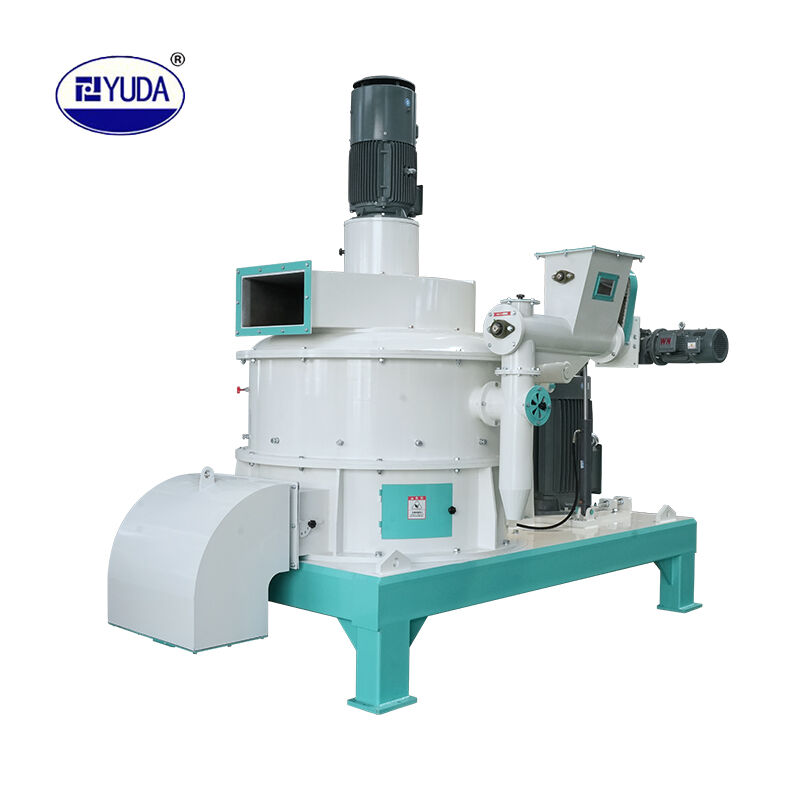
Vertical pulverizers are an essential piece / essential pieces of equipment in feed manufacturing, used for grinding small ingredients to produce feed for aquatic and young animal diets. In ideal conditions**,** the machines can run with consistent particle size and reasonable power consumption. However, when the machine is out of adjustment or when parts wear to the point where it cannot perform effectively, wasted energy and off-spec material will result. Shanghai Yuanyuda International Trade Co., Ltd. has prepared the guide below to help you run your vertical pulverizer as effectively as possible.
Key Factors That Affect Vertical Pulverizer Performance
There are a number of variables that influence the overall performance of your pulverizer. First is the moisture of the ingredients. Overly dry ingredients generate dust and increase power consumption. Wet ingredients pack and build up, leading to poor performance. Appropriate moisture levels vary for different ingredients**; however,** the ideal range is generally 10% to 14%. Second is a steady rate of ingredients. An irregular feed rate causes the grinding zone to start, stop and start again, wasting energy and leading to inconsistent particle sizes. Third is the clearance between the grinding disc and the rollers. If the gap is too large, some particles will fail to be fully ground. If the gap is too narrow, power consumption rises with no noticeable improvement in fineness. Fourth is the classifier speed. This determines the upper size limit of particles that can exit the mill. It must not be run any higher than necessary, lest it consume wasted energy and increase wear on the classifier blades. The final variable is wear component condition. It is impossible to achieve good performance with worn grinding discs and roller shells.
How to Adjust Operating Parameters for Maximum Efficiency
First, focus on feed rate. Use your screw feeder or other method to introduce the ingredient in a constant and steady manner. Stop/start operation is highly inefficient for this machine. You want the grinding area to be full, but not over-packed, to ensure efficient operation. Second, set the clearance between the grinder disc and rollers. Most feed ingredient applications work well with a gap of 1mm to 3mm. A smaller gap will not significantly increase fineness and is a waste of power. Adjust to suit your specification at a minimal power draw. Set classifier speed and run it as slowly as needed for your specification. Faster speeds consume wasted energy and will drastically increase the wear on the classifier blades. If the final particle size is not fine enough, turn the speed up. If you are producing a finer-than-necessary product, turn it down. Third, adjust air volume. Too little air will cause the product to bunch up and lack movement. Too much air will allow particles to reach the classifier before they are fully ground. You need the proper amount to move material through the system without bogging down.
Routine Maintenance to Reduce Energy Consumption
A properly maintained machine will use a fraction of the energy compared to an ill-maintained machine. The wear components, namely the grinding disc and the roller shells, should be checked weekly for wear patterns and possible cracks in the disc or damage to the roller shells. When the roller shells have rounded or grooved to the point where they can no longer grind properly, they must be replaced. Check the clearance between the grinding disc and the air ring. Excess clearance will lead to product "jumping" past the grinding area to the classifier without being ground. When parts begin to wear and fall out of tolerance, they should be addressed. Classifier blades should be cleaned at least once per month. The build-up of material on the blades will change their shape and how well they classify material. It will also cause product build-up on the outer classifier cage itself, requiring additional cleaning. Every part of the air ducting and cyclone should be checked for material build-up as it can cause increased backpressure on the fan, leading to a rise in energy draw. Ball bearings should be properly greased as per the manufacturer’s recommendations, Insufficient lubrication or dry bearings lead to higher power consumption due to friction inside the ball bearings. If your pulverizer is belt-driven, it is very important to maintain correct belt tension. Loose belts will slip, wasting energy. Over-tightened belts will wear out bearings prematurely.
Signs Your Pulverizer Needs Repair or Upgrading
Even with optimal maintenance, pulverizer components will eventually wear out and fail. Pay attention to these signals: A slow and steady increase in power draw while keeping production at the same level means your grinding components are not working as effectively as they did and are essentially chewing through ingredients without grinding them. Vibration**, which** becomes noticeably more pronounced during operation, indicates an imbalance in the grinding disc or classifier rotor**, which** may damage bearings and the spindle. Inconsistent product size distribution despite proper classifier speed settings indicates worn classifier blades or damage to the grinding zone. Excessive fine material / Excessive fines in the final product usually means the seals are worn, and fine particles are bypassing the system before proper classification takes place. Bearing failures, especially recurring ones, indicate shaft misalignment or a damaged shaft. Metallic grinding noises typically mean that a part has become dislodged and is contacting a non-moving part of the machine. These should be attended to immediately. Any major overhaul exceeding 50% of the price of a new machine should be investigated as replacement could become more economically favorable. The efficiency gains from newer machines can pay for the unit quickly, not to mention ease of access to all parts.
Summary
To maintain high efficiency for vertical pulverizers, you need to optimize operating parameters and perform regular maintenance, while recognizing the importance of replacing worn components. Proper feed rate, grinding component clearance, classifier speed, and airflow are the foundation for high efficiency. Checking grinding components, classifier blades, and air ducts ensures continued efficient operation. Any increase in power draw or a fall-off in product size necessitates examination for worn components. Shanghai Yuanyuda International Trade Co., Ltd. is an excellent resource when you have a worn part on your SWFL series vertical pulverizer (or other units) to help you find genuine replacement grinding discs, roller shells, classifier blades, spindles, and clamps whether you're running a machine in the US or overseas.