
 EN
EN


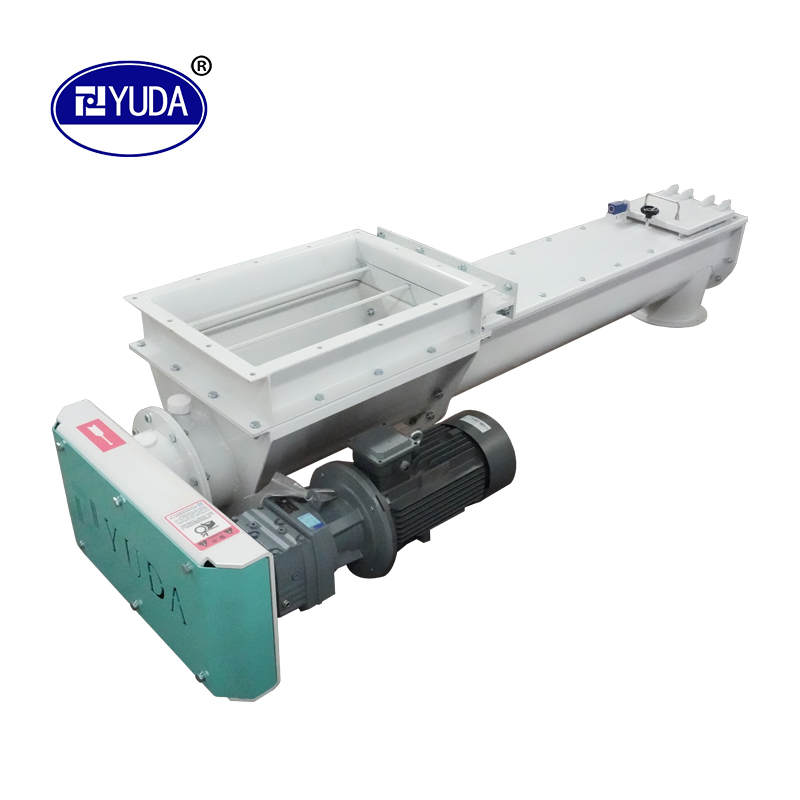
Clogging is one of the most frustrating and expensive problems in feed processing. When a screw conveyor gets blocked, it stops production, damages equipment and creates hours of cleanup work. Understanding the causes of clogs and how to avoid them will keep your feed mill running smoothly. Shanghai Yuanyuda International Trade Co., Ltd. offers practical solutions for keeping your screw conveyor system moving.
What Causes Screw Conveyor Clogging in Feed Processing
Clogs don't happen without cause. The most common culprit is selecting a conveyor that isn't suited to the material being processed. High-moisture feed mash is often sticky, causing it to adhere to the screw flights and trough. Material builds up in the trough until the effective volume is so diminished that the conveyor locks up completely. Another cause is uneven feeding. When material feeds into the screw conveyor in surges instead of a steady stream, the screw cannot move the volume at the peak of the surge fast enough. The trough becomes filled, and the screw stops turning. Oversized particles also lead to clogging. A lump of compacted feed or a stray foreign object can jam between the screw flights and the trough wall. Worn components will also contribute to clogging. Bent screws or worn hanger bearings will cause the screw to sag at the bottom of the trough, reducing clearance and trapping material.
Best Design Practices to Reduce Material Blockage
Preventing clogs starts in the design phase. The screw diameter should match your peak capacity, not just the average throughput. A screw conveyor sized too small for the application will jam during normal variations in production. Include a safety margin of at least 15 percent above the maximum expected feed rate. The screw conveyor trough should be enclosed and the interior surfaces smooth and clean. Weld spatter and other irregularities become areas where sticky material accumulates. Variable-pitch screws should be specified for sticky feeds, for example molasses-based rations, or wet mash. A reduced pitch at the inlet and an increased pitch at the discharge help to move material and reduce buildup. Consider a ribbon screw in lieu of a sectional screw for sticky feeds such as high molasses rations or wet mash. The open center of the ribbon screw causes material to tumble during transit, which reduces its adhesion to the conveyor flights. Install inspection and cleanout ports at suitable intervals and ensure easy access, so material can be cleared without full dismantling.
Daily Maintenance Tips for Smooth Conveyor Operation
Consistent maintenance is key to preventing small problems from becoming major clogs. At the start of each shift, listen to the screw conveyor when running empty and during initial feeding. A grinding or scraping sound can indicate a clearance issue. The amperage draw on the drive motor can also provide clues. A sudden rise in current will suggest friction in the trough is increasing. Check the inlet for material bridging. Material that builds up above the screw may eventually discharge in one large chunk. Keep the inside of the screw conveyor trough clean. Sticky residues can build up over days and reduce the effective diameter of the conveyor. Regularly scrape the screw flights and trough, or use compressed air to remove the material. Lubricate all bearings in accordance with the manufacturer's recommended maintenance schedule. A seized bearing can bring the shaft to a sudden halt, and the momentum of the drive can bend the screw or damage the gearbox. Check that safety shear pins or torque limiters are installed and operational.
When to Upgrade or Replace Screw Conveyor Components
Even with careful maintenance, components do wear out, and knowing when to replace them is the best way to prevent unexpected clogs. Inspect screw flights carefully for wear on the outer edges. Flights that are worn by more than 20% of the original material thickness will not effectively move material. Replace the screw assembly at this point. Measure the clearance between the screw flights and the trough. If this gap exceeds 10 millimeters for fine materials or 15 millimeters for coarse materials, material will start to pack in the gap and cause blockages. Measure hanger bearings for wear on a monthly basis. Worn-out hanger bearings allow the screw shaft to droop at the bottom of the trough. Check trough liners or trough bottoms for wear and scratching. Sharp grooves will contribute to clogs, and the trough may need to be relined or wear strips attached. Consider upgrading wear-resistant surfaces for applications that are prone to high wear. Stainless steel conveyors should be used instead of carbon steel for high-stickiness or corrosive materials.
Summary
Preventing screw conveyor clogs is achievable through careful design, daily maintenance, and timely replacement of worn components. A screw conveyor that is properly sized and has a smooth interior works well for most feed processing applications. Daily inspections and routine cleaning prevent material build-up that leads to major blockages. Worn components should be replaced when they approach their end of life to maintain proper clearances and material movement. Shanghai Yuanyuda International Trade Co., Ltd. offers a full range of TLSU and TLSG series screw conveyors that can be customized for your specific feed, fertilizer, and biomass applications. Spare parts including screws, troughs, hanger bearings and clamps are available for both domestic and imported models. Keep your materials flowing and your production line moving through effective clog prevention.
