
 EN
EN


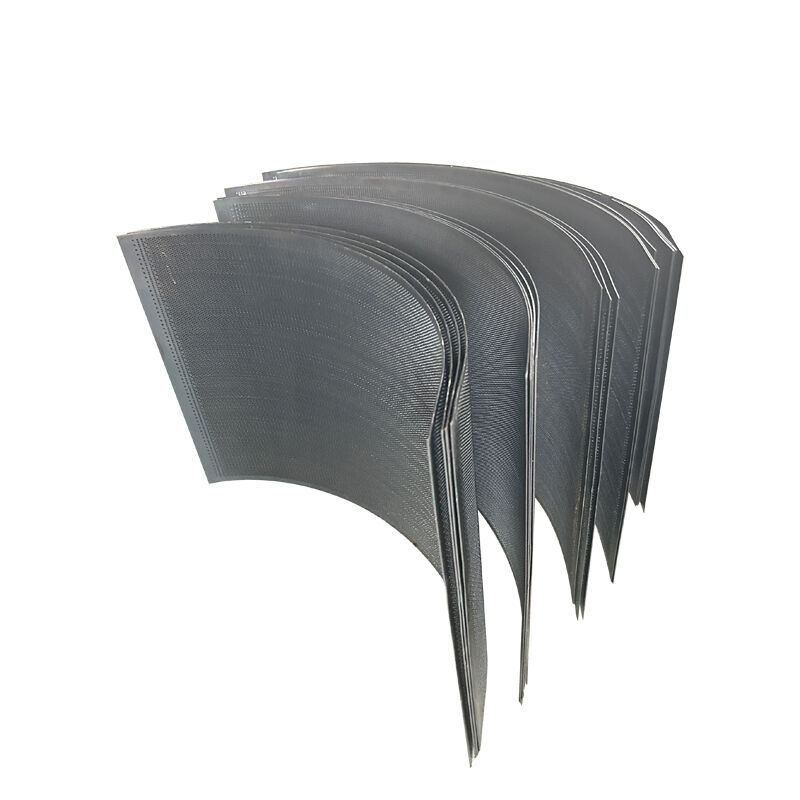
The workhorse of any feed or fertilizer production line is the hammer mill. It is tasked with the responsibility of reducing raw materials into homogeneous particles to be mixed and pelletized. A screen plate is the most important of all the parts that determine the performance of a hammer mill. Throughput, energy consumption and final particle quality are all directly dependent on the size of holes in that screen plate. Shanghai Yuanyuda International Trade Co., Ltd. discusses the ways in which the selection of the appropriate screen hole size can revolutionize your grinding work.
The Relationship Between Hole Size and Throughput
Smaller screen holes yield smaller particles but reduce production. When the material has to flow through minute holes, it is slower to flow out of the grinding chamber. This will take more time beating the same material by the hammers and will lower the throughput. Holes that are bigger enable the material to exit the mill faster, increasing tons per hour. There is ,however, a trade-off. When the livestock feed is what you are concerned about, bigger holes would be sensible. In the case of aquatic feed or pet food that needs fine particles, you trade-off throughput to obtain the correct texture. The trick is to find the appropriate hole size to your desired particle specification.
How Hole Size Impacts Energy Consumption
One of the biggest operating costs in any grinding operation is energy consumption. When a hammer mill operates with a screen plate that has small holes, the machine consumes more power to force material through the limited apertures. The mill will operate at increased load consuming more amps and using more electricity with each ton of finished product. This resistance is decreased by increasing the size of the hole. The material flows out freely, the motor is less active, and energy expenses are reduced.
The Effect on Particle Size Distribution
Particle size depend not only on screen hole size, but also on hammer tip velocity, the configuration of the hammers, the moisture of material play a role. Maximum particle size is dependent on the hole size;it is very unlikely that a screen plate with hole size 3 millimeters, produce particle over 3 millimeter size, but it will produce a large number of smaller particles, because hammer will be hitting the material until it can be small enough to pass through. A large hole size, then produce a larger variation in particle size. In the case of poultry feed, it is necessary to produce a consistent crumble. A small hole size can produce a closer particle size distribution. In the case of ruminant feed, it is beneficial to produce coarsely particles, which is beneficial for digestion.
Avoiding the Common Mistake of Over-Grinding
Many operators choose small screen holes because they assume finer is always better, when larger holes would actually be more appropriate. This leads to over-grinding, a costly problem. Excessive grinding results in excessive dust and fines which in the future cause problems in the pellet mill. Too much fines may fill the holes of the die ring or may produce weak pellets which crack. Constant over grinding is also a waste of energy and can minimize the life of the hammers and screen. The size of the hole chosen depends on the size of the actual particles required in your particular animal feed or fertilizer application. Then select the biggest screen hole that will consistently provide that specification. This is a cost-effective method that enhances downstream pelleting.
Matching Hole Size to Material Characteristics
Raw materials do not grind the same. Corn is quite weak and breaks easily. It can easily go through medium sized holes. Oilseed meals are softer and are clumpy. They need a bit bigger holes so as not to blind the screen. Hay or straw is difficult to grind and highly fibrous. They require bigger holes or special design of screens to avoid bridging between the openings. In the production of organic fertilizers, there is a wide difference in the material in terms of moisture content and fiber content. Shanghai Yuanyuda International Trade Co., Ltd advises you to first experiment with your particular raw materials using various screen hole sizes and then make a commitment to a standard specification.
The Importance of Screen Plate Quality and Maintenance
The Size of holes are irrelevant as long as the screen plate can be held together during operation. Screens that have been of poor quality are often of varying sizes with poorly deburred holes. Poor deburring catches particles and restricts their movement like smaller holes would. Well made screen plates with good lineage should have smooth even holes. With wear the holes get larger, the worn screen plate will then produce coarse particles and not the size that you were looking for. It is prudent to have a stock of different sizes and different hole sizes screen plates available in case you wish to produce a range of products, screen plates, blades and clamps are all spare parts which are able to be purchased to keep your mill working.
One of the easiest and most crucial decisions that you make when it comes to the hammer mill is the size of screen plate hole. A wise choice gives an equality between capacity of the hammer mill, energy consumption and particle quality. A bad decision one gives wasted power, reduced capacity and downstream issues in either your pellet mill or mixer. Both local and international grade screen plates and hammer mill blades are provided by Shanghai Yuanyuda International Trade Co., Ltd.