
- Home
- Solution
- Products
- About Us
- Performance Case
- New&Blog
- Contact
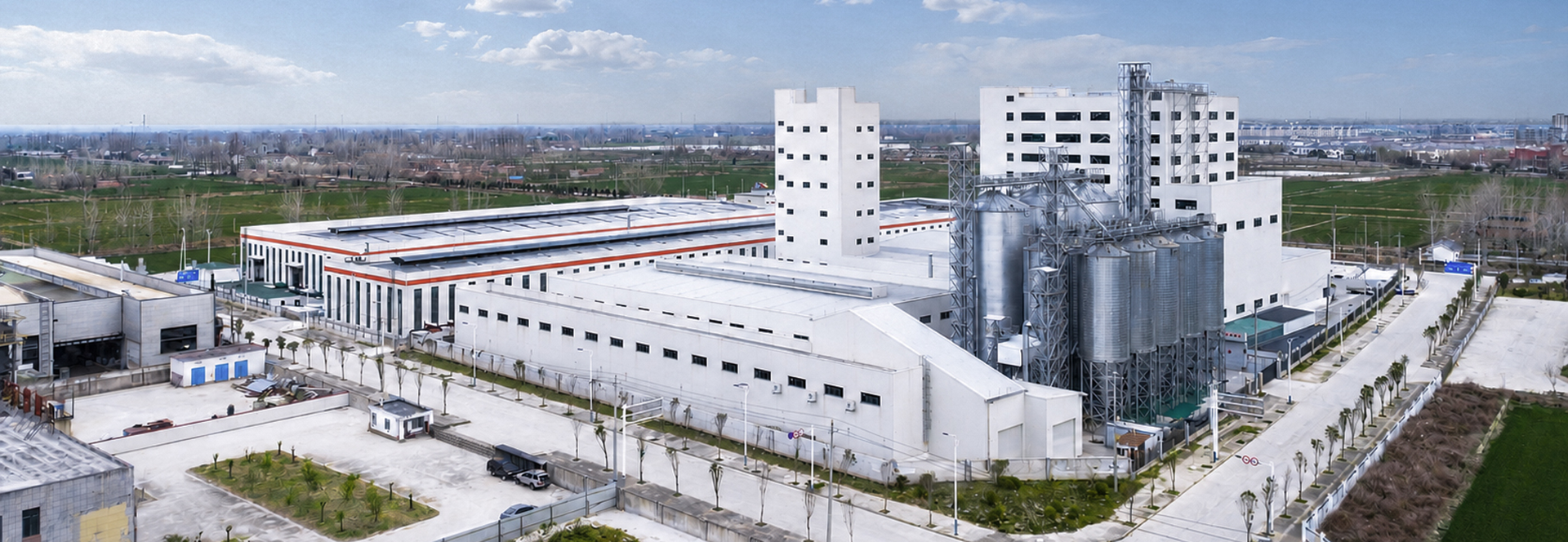
You are reviewing a multi-product, high-molasses feed production line engineered by Yuda Machinery for Jiangsu Landuohu Group. The facility comprises 3 ruminant complete feed lines (180,000 t/yr), 3 poultry and livestock feed lines (180,000 t/yr), and 1 raw material extrusion line (20,000 t/yr), supported by 3 corn silos (1,500 t each) and 10 soybean meal silos (250 t each), delivering a total annual capacity of 380,000 tons for diversified, high-efficiency feed manufacturing year-round.
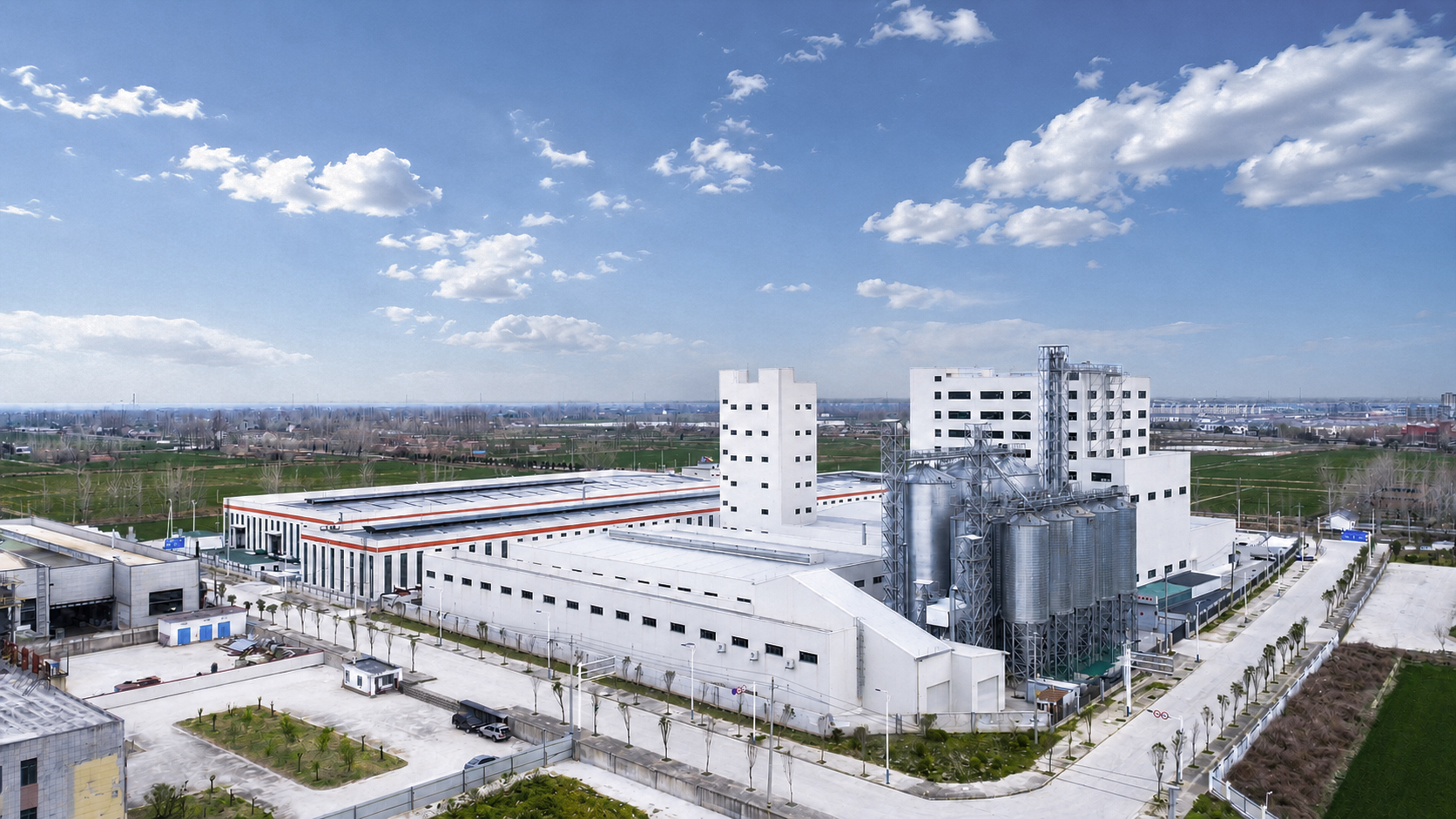
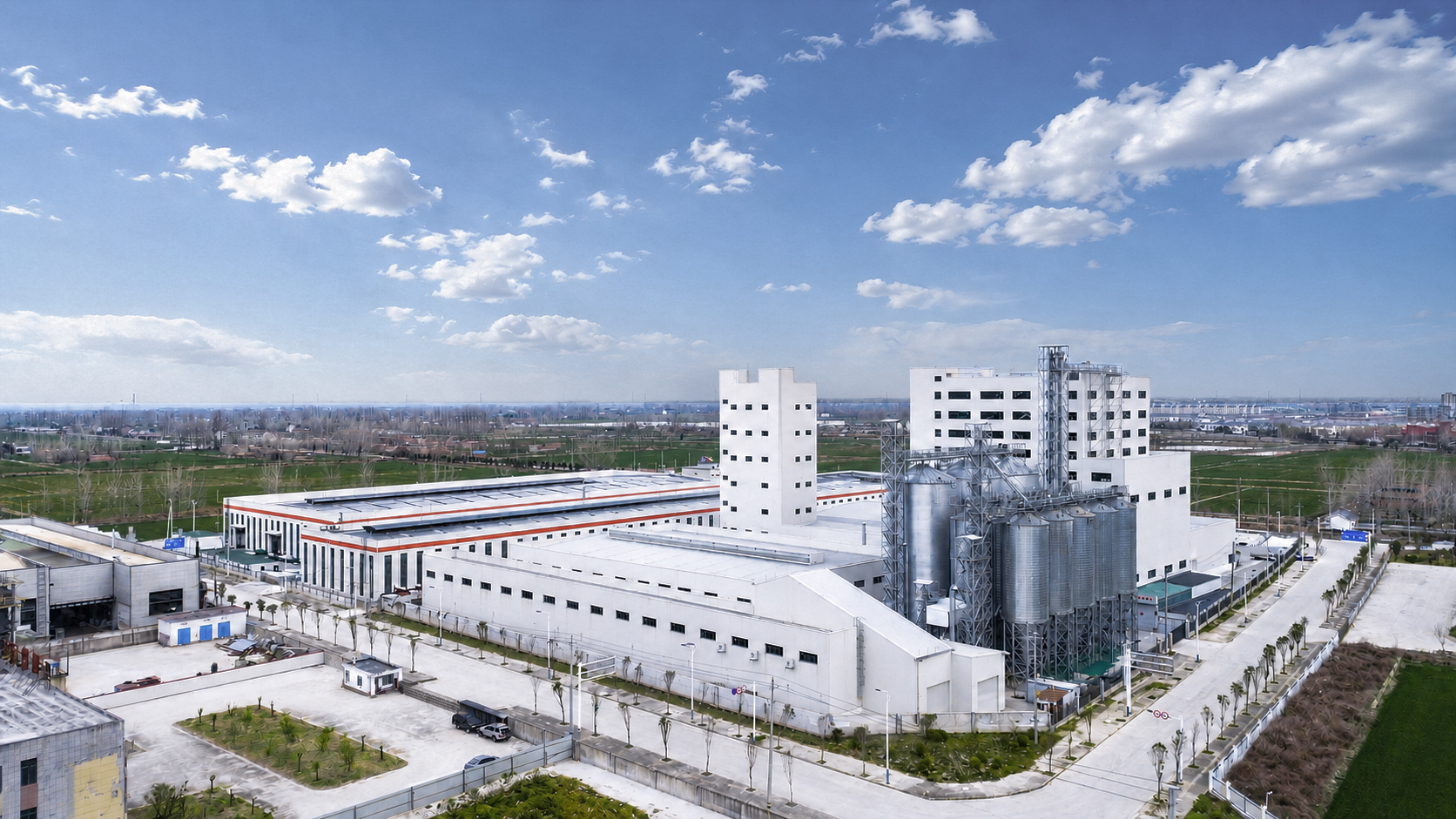
Landuohu Group – 380,000 t/yr Poultry, Livestock & Ruminant Feed Production Line | Yuda . This solution supports multi-product production and adapts to high-molasses formulation requirements. Yuda has configured dedicated-line segregation, precise temperature control, and anti-stick / anti-clogging design for the customer.
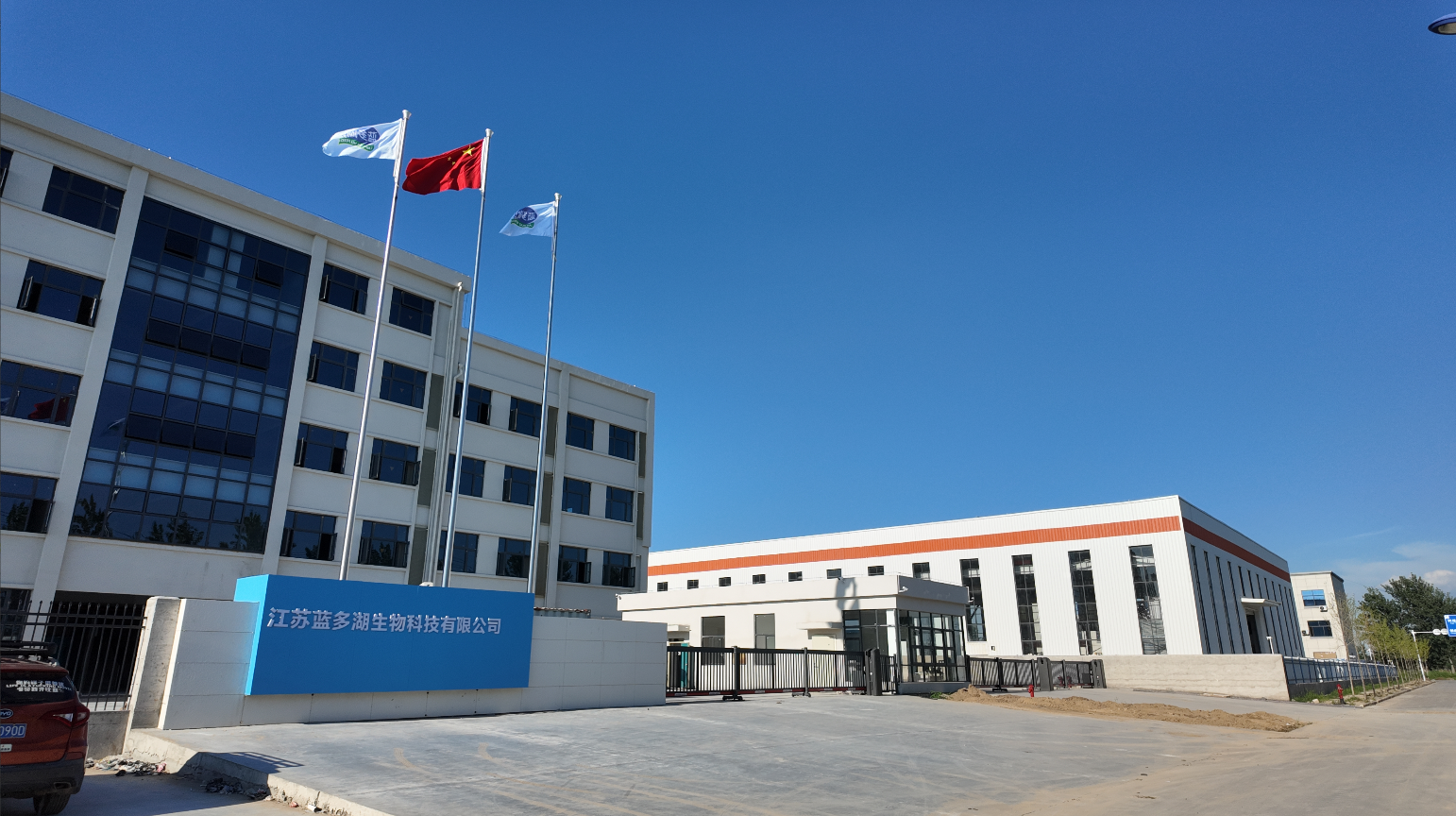
Jiangsu Landuohu (formerly known as Huai'an American Feed Co., Ltd.), founded in 2009, has been deeply engaged in the ruminant feed sector for 14 years. With a total investment of 120 million yuan and an annual production capacity of 400,000 tons, it ranks among the strongest core premix suppliers in China. Backed by a core team of overseas returnees and driven by technology, the group has mastered the core technology of precise amino acid and net energy formulation, and is committed to leveraging internationally advanced technology to develop feed products tailored to China's breeding needs.
Landuohu Group operational logic: multi‑product manufacturing, hygienic processing, and high‑molasses formulation adaptability.
Customer pain points:Feed product categories are diverse and formula changeovers are frequent. Multi‑batch, differentiated production conditions create a high risk of material carryover and cross‑contamination. At the same time, high‑end poultry and livestock feed formulations often require high‑proportion molasses addition. Molasses has high viscosity, is prone to wall sticking, scorching, and clogging, placing extremely high demands on process temperature control, spraying / coating systems, and piping design.
Landuohu Group requires a processing configuration solution featuring dedicated line segregation, precise temperature control, and anti‑stick / anti‑clogging design, specifically including:
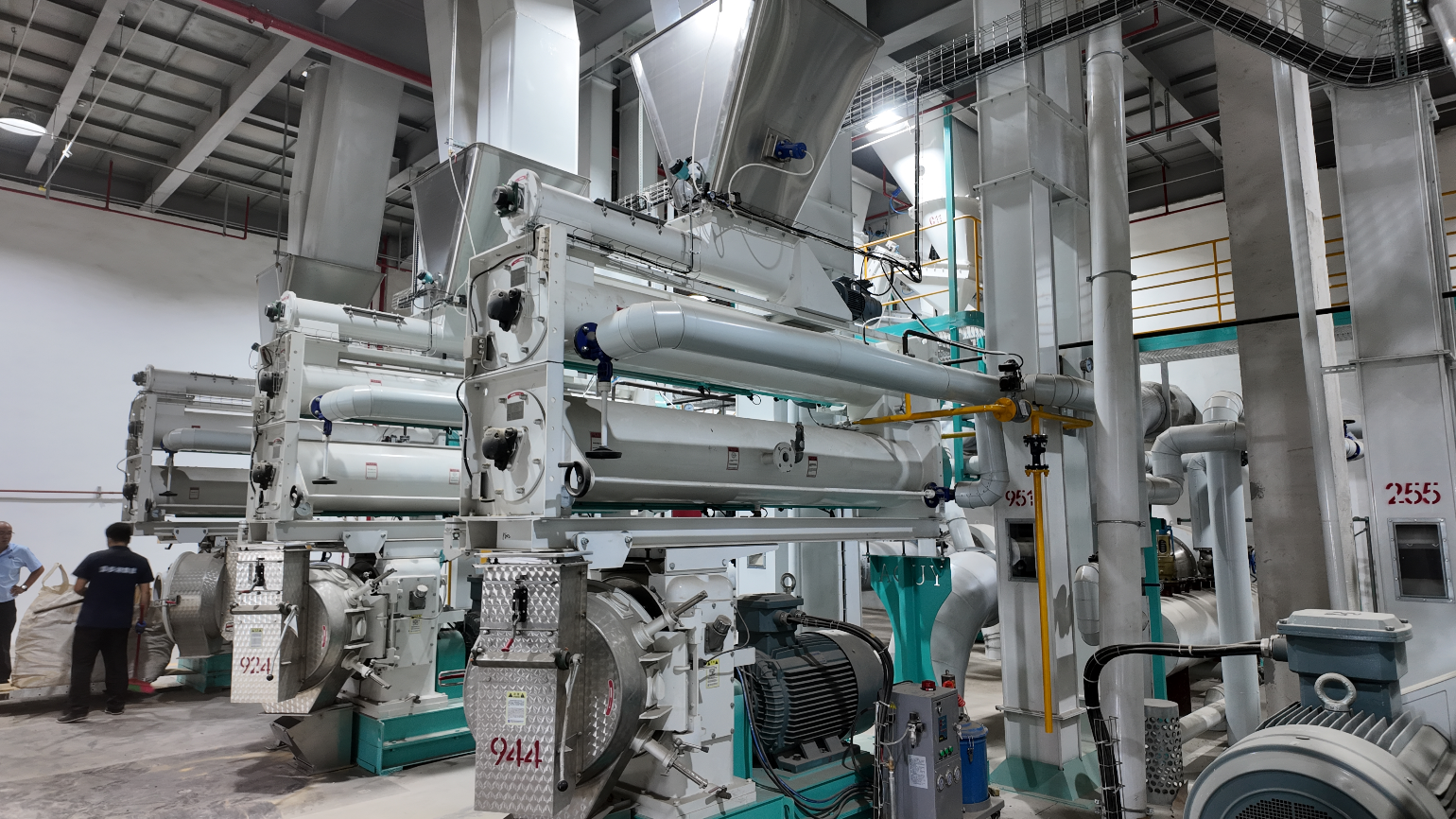
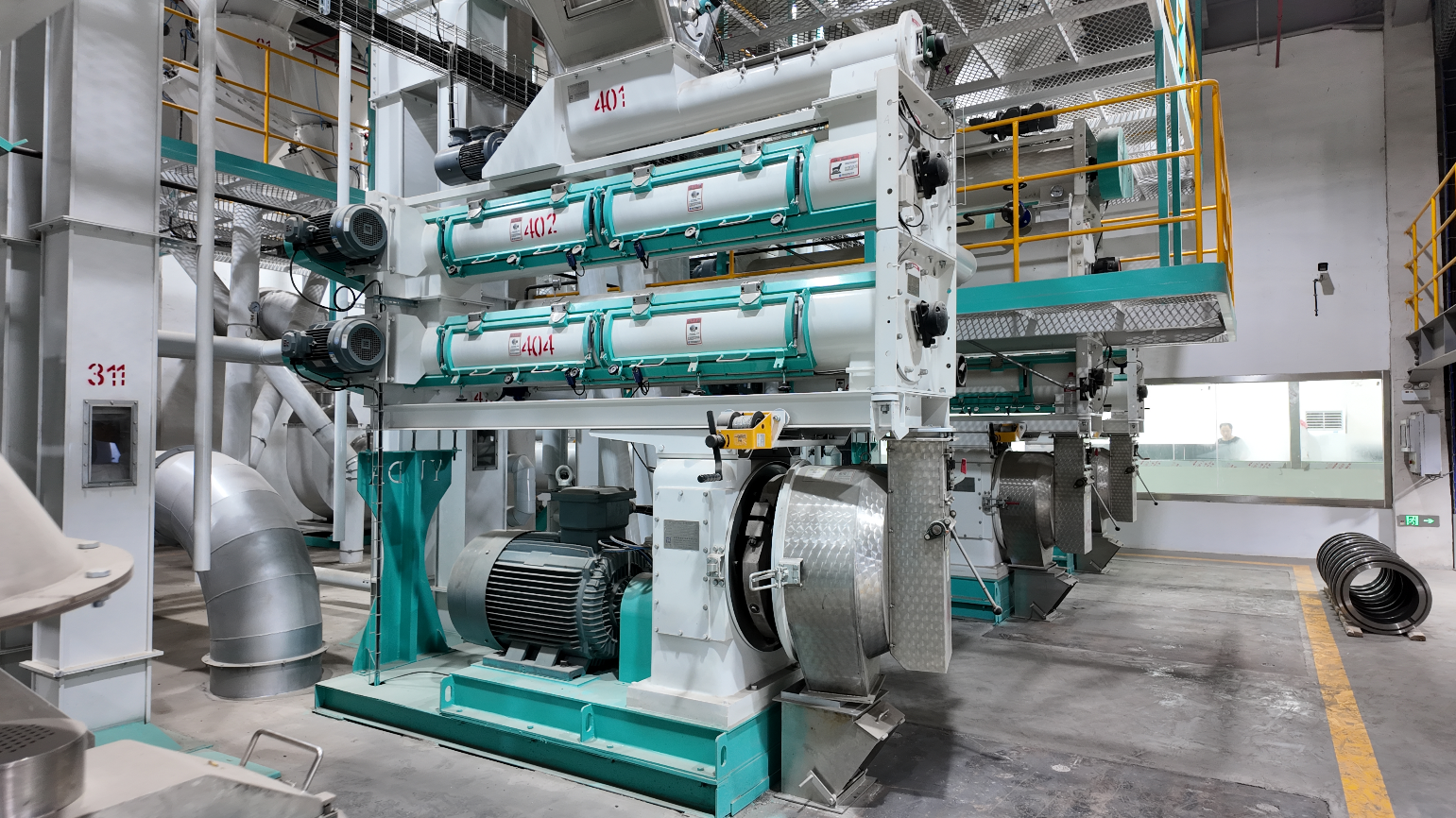
● Dedicated‑line configuration for the pelleting section – separate production by product category to avoid batch‑to‑batch cross‑contamination;
● Scalable multi‑line layout design – supporting simultaneous production of diverse product types and high volumes, enhancing overall production efficiency;
● Customized high‑precision molasses addition system – accurate flow metering to ensure stable and controllable molasses inclusion rates.
| Energy Type | Avg. Parameter per Ton | Remarks |
|---|---|---|
| Electricity | Avg. 24.34 kWh/ton | Breakdown: Pelletizing 13.08 kWh/ton, Grinding 7.76 kWh/ton |
| Steam | Corresponding avg. fuel: 4.05 kg/ton | Avg. fuel cost per ton of finished product: RMB 18.12. Higher output can dilute fixed steam losses and reduce unit steam consumption. |
| Area | Dimensions(LxWxH) | Function |
|---|---|---|
| Main workshop | 30mx43mx41.5m | corn production area |
| Position / Configuration | Number of Personnel | Job Description |
|---|---|---|
| Central Control Room | 2 persons | Monitor and control the entire production line status around the clock |
| Equipment Maintenance | 2 persons | Responsible for equipment inspection, repair, and routine maintenance |
| Manual Bagging Scale | 8 persons (bag placement, bag hanging, and forklift operation) | Requires 2 additional manual handling workers |
| Semi‑Automatic Bagging Scale | 1 person (bag hanging only) | If equipped with a palletizer, 1 additional forklift operator is required |
| Acceptance Module | Core Mandatory Indicators | Acceptance Method |
|---|---|---|
| I. Rated Capacity | 1. Poultry & livestock pellet line: ≥30 t/h 2. Ruminant pellet line: ≥18 t/h 3. Capable of 24/7 continuous operation | 8-hour full-load production test |
| II. Finished Product Quality | 30 t/h poultry line: Pellet diameters: 2.5 / 3.0 / 4.0 mm; Formation rate ≥98%; Fines content ≤3%; Moisture ≤14% 18 t/h ruminant line: Pellet diameters: 4.0 / 5.0 / 6.0 mm; Formation rate ≥96%; Fines content ≤4% | Sampling inspection |
| III. Equipment Configuration | All process stages capacity-matched with no bottlenecks; poultry line equipped with dedicated conditioning system; ruminant line equipped with high‑wear‑resistant pellet mill main unit, anti‑clogging design | On‑site verification |
| IV. Delivery Standards | Equipment manufactured to national standards; complete set of equipment, accessories, and documentation provided; includes installation, commissioning, and training; ready for production upon delivery | Documentation + on‑site acceptance |
| V. Safety & Environmental Limits | 1. Dust emission ≤2 mg/m³ 2. Equipment noise ≤85 dB 3. Complete guards, explosion‑proof protection, and leakage protection provided 4. No wastewater, oil leakage, or material spillage pollution | Actual measurement and inspection |
| VI. Operation Standards | Equipment operates without abnormal noise, vibration, powder leakage, or material spillage; stable performance with low failure rate | Start‑up trial run |
| VII. Acceptance Conclusion | Both lines meet the targets after respective 8‑hour full‑load tests; all core indicators are qualified; overall acceptance passed | Overall acceptance |
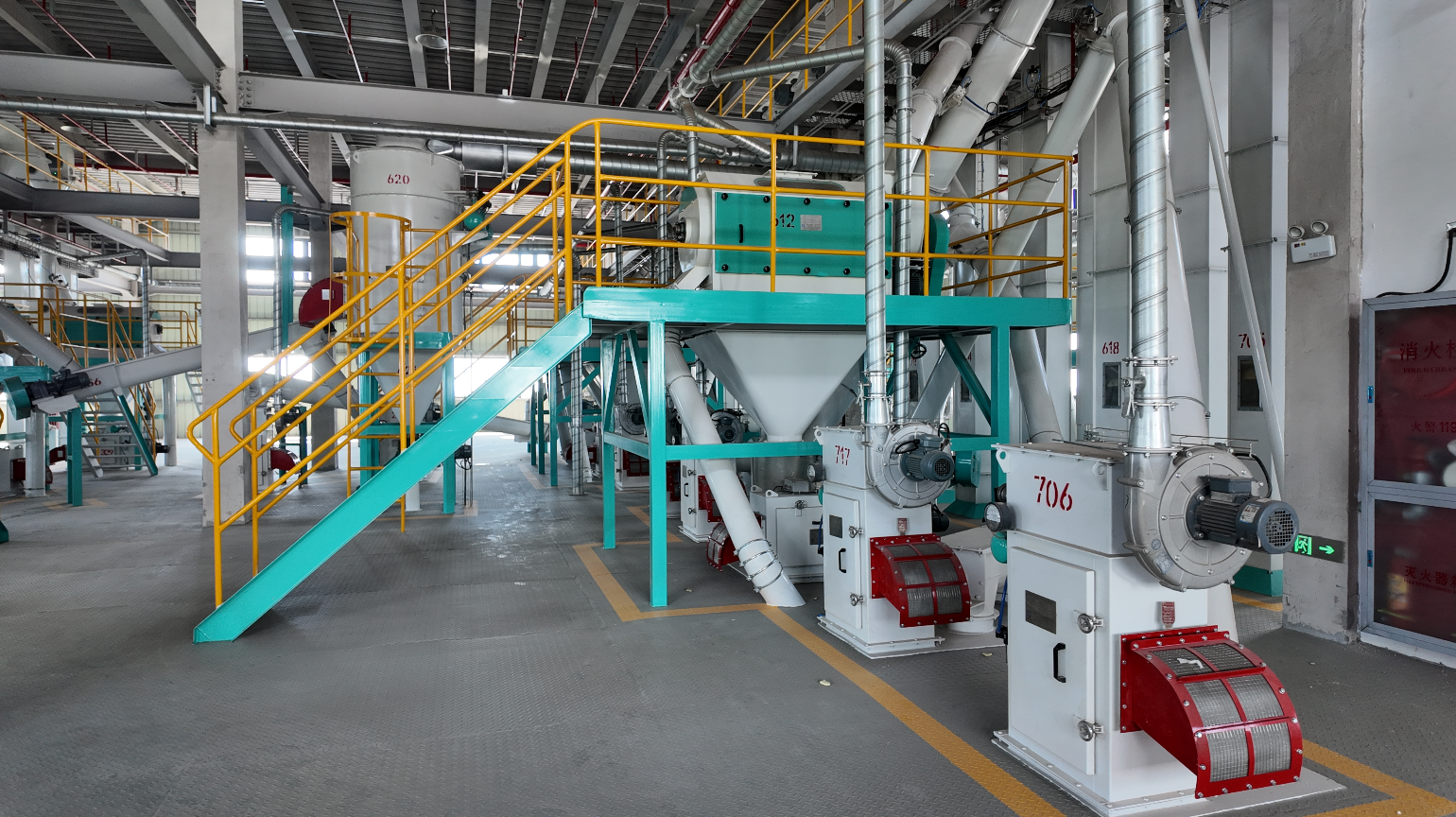
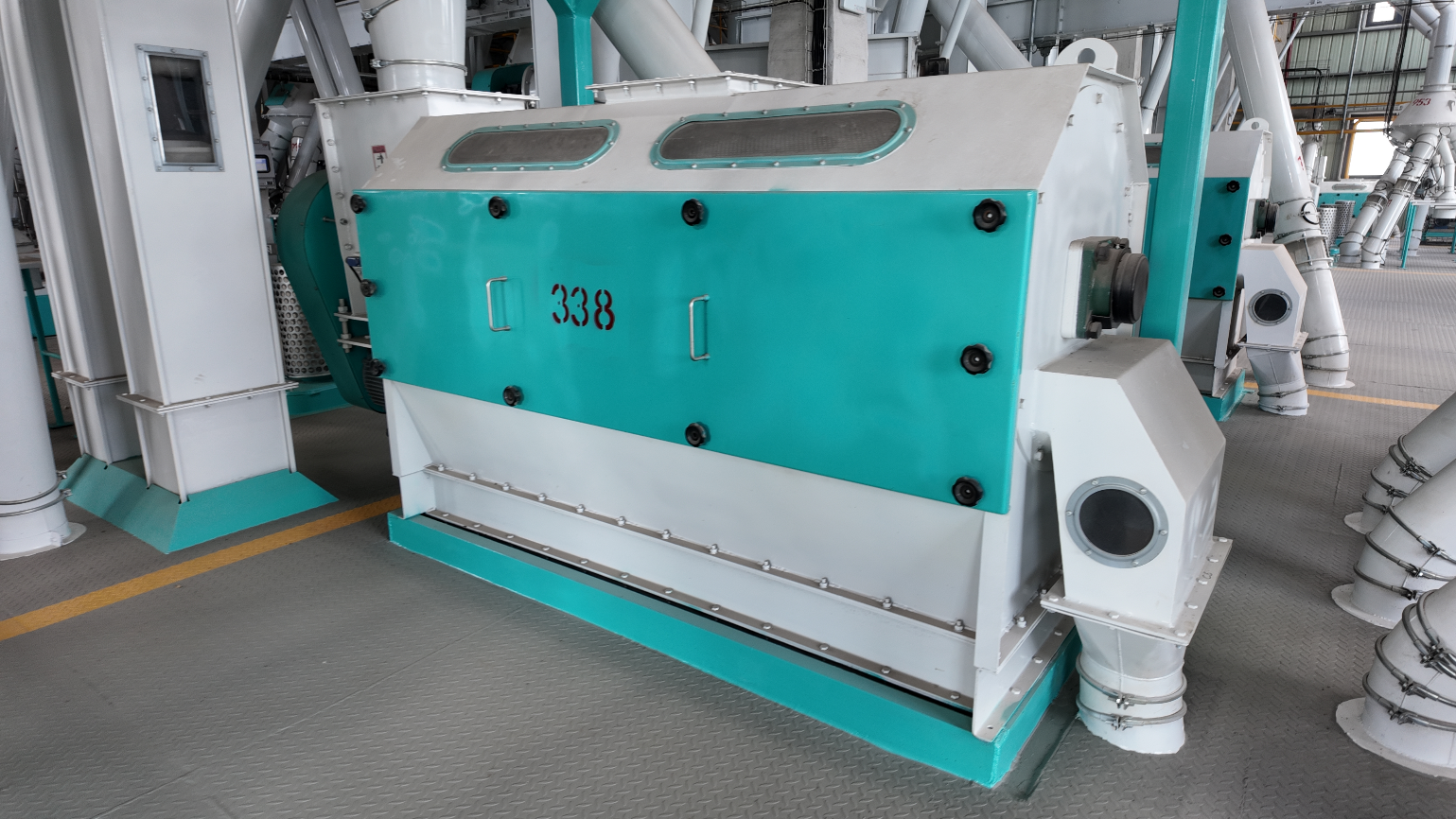
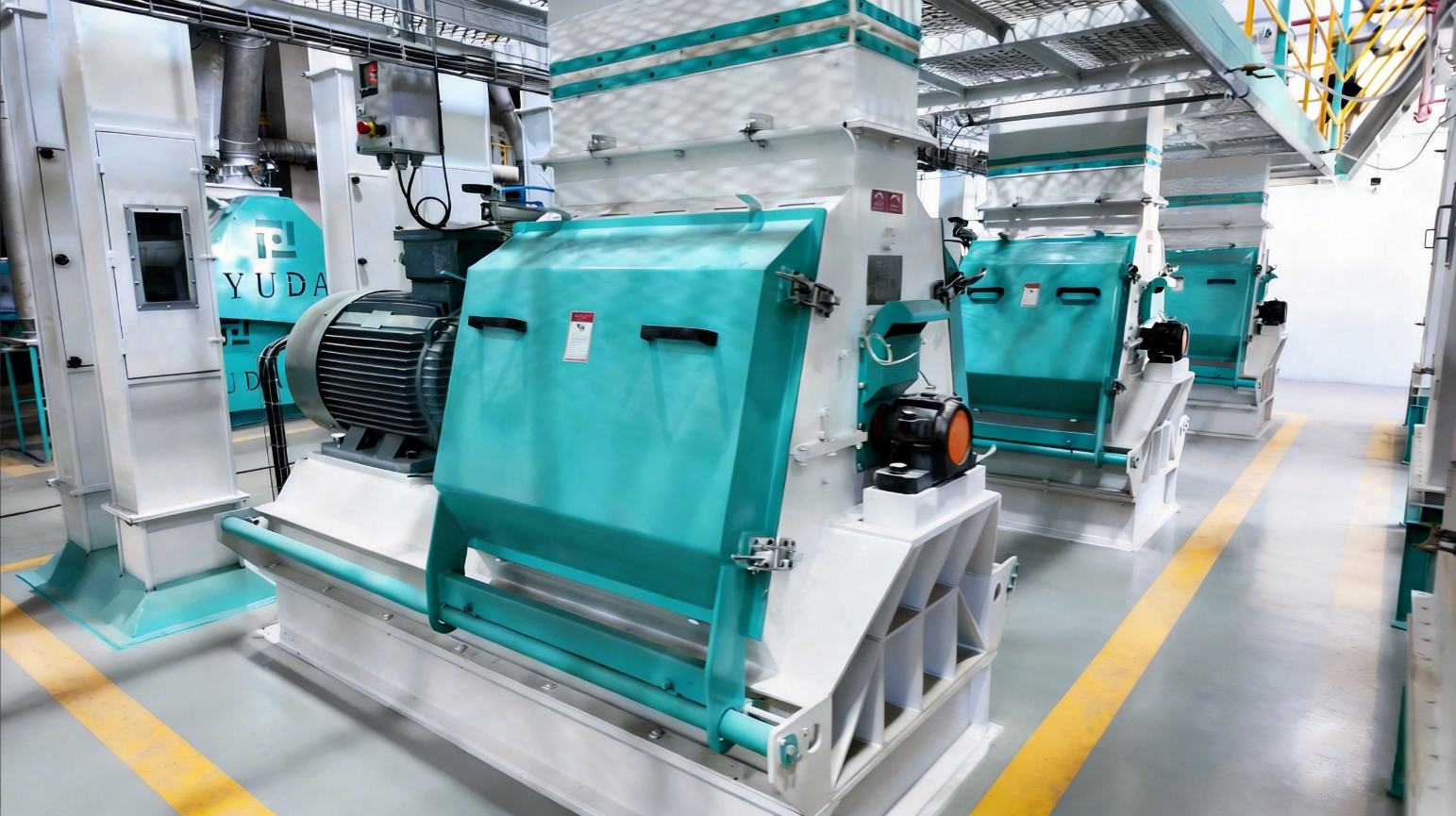
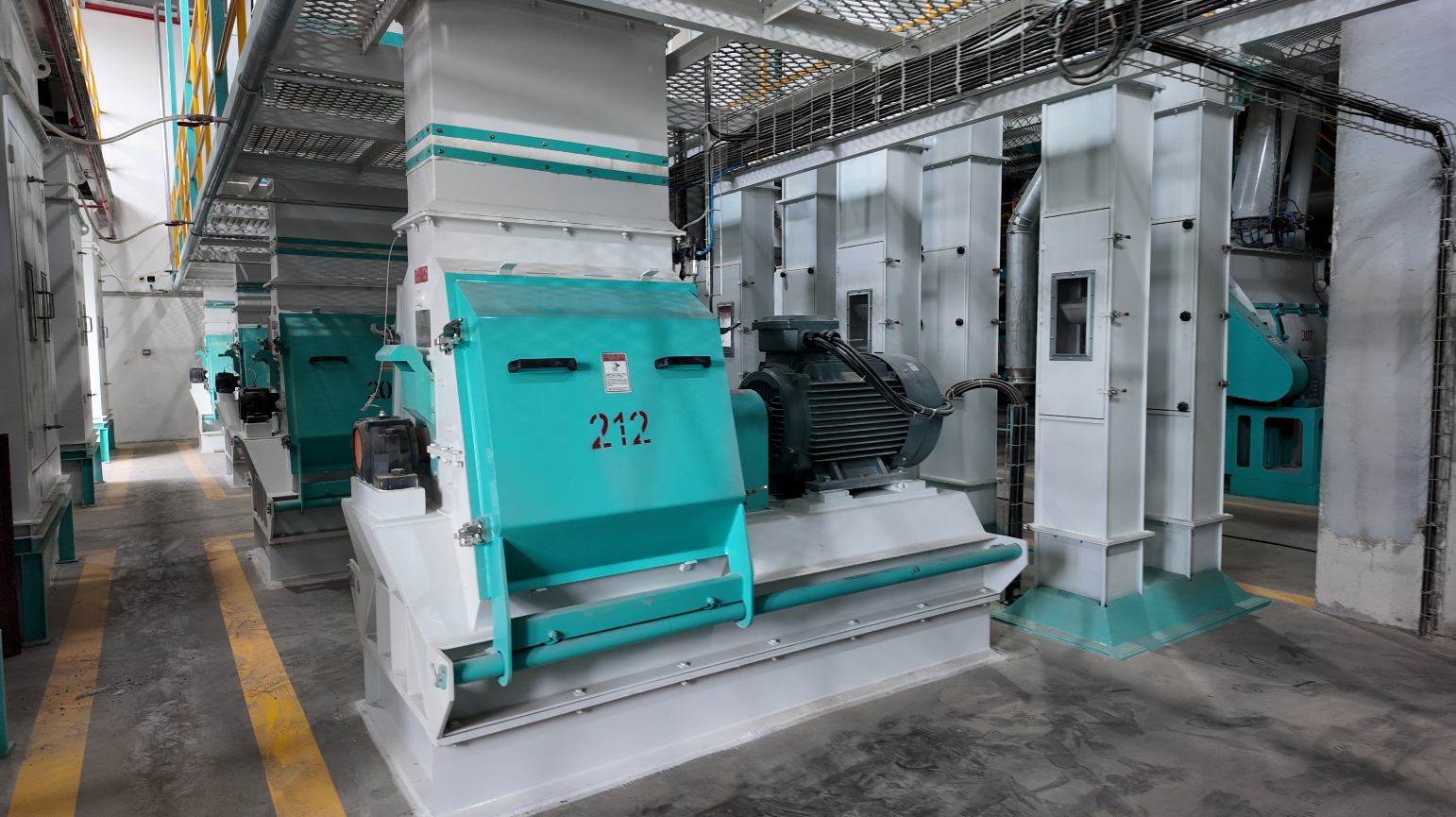
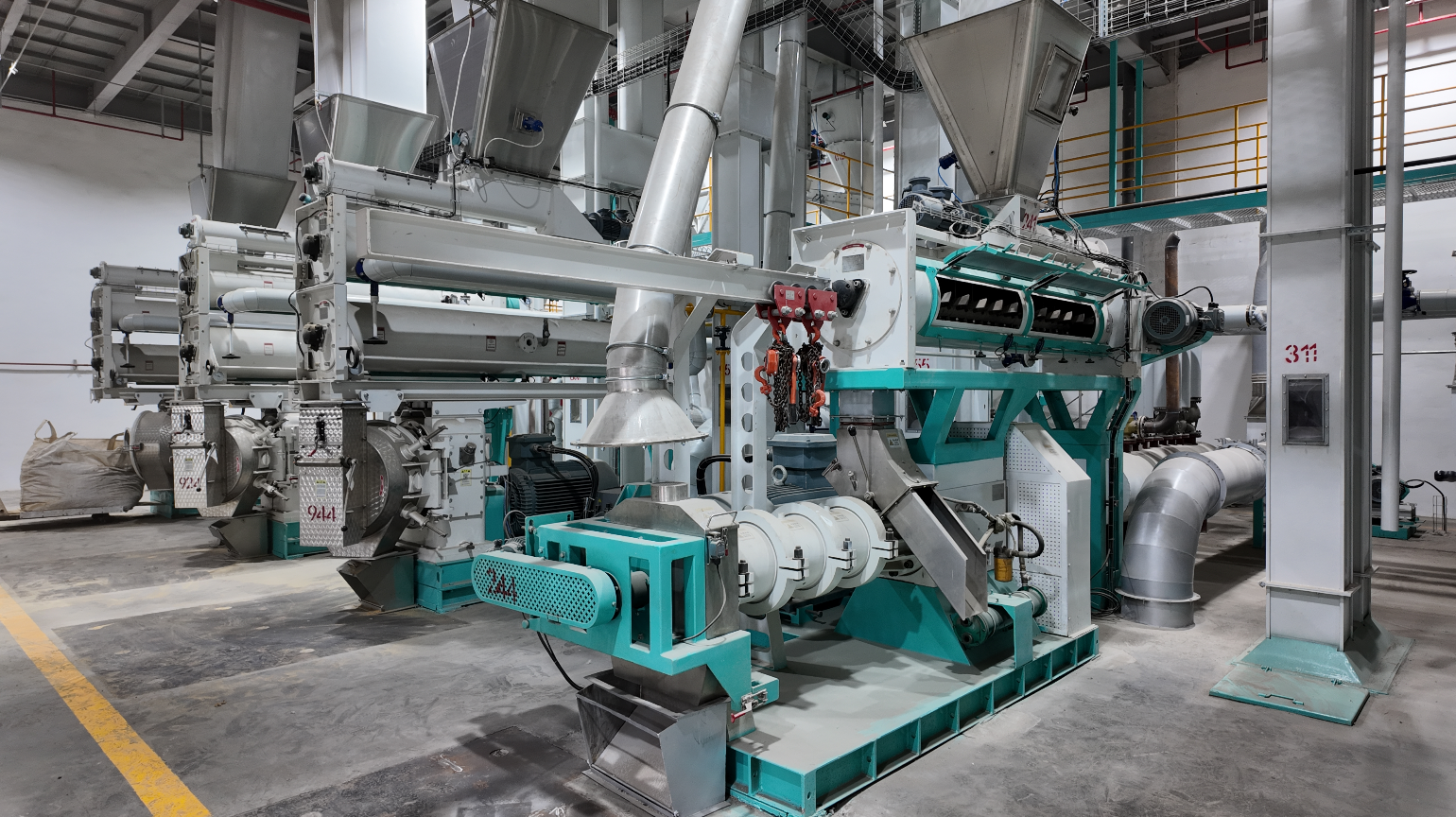
Effectively prevents cross‑contamination caused by residual material from different formulations; equipped with a twin‑shaft differential‑speed conditioner to ensure thorough mixing of material and steam, guaranteeing that starch gelatinization consistently meets the required standards; and incorporates a closed‑loop pressure control system that automatically adjusts the extrusion chamber temperature and pressure according to material characteristics, ensuring uniform expansion and consistent pellet shape.
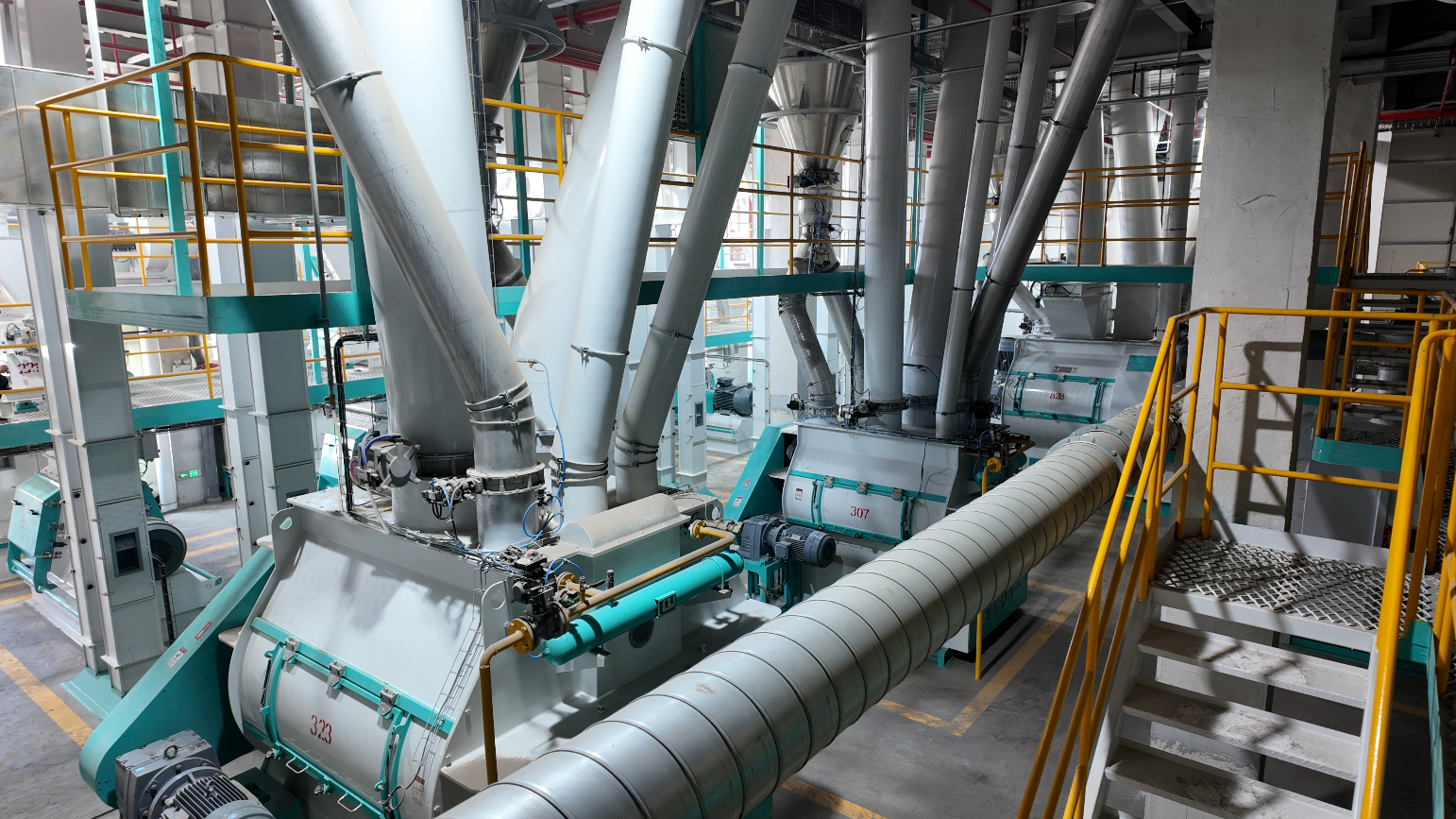
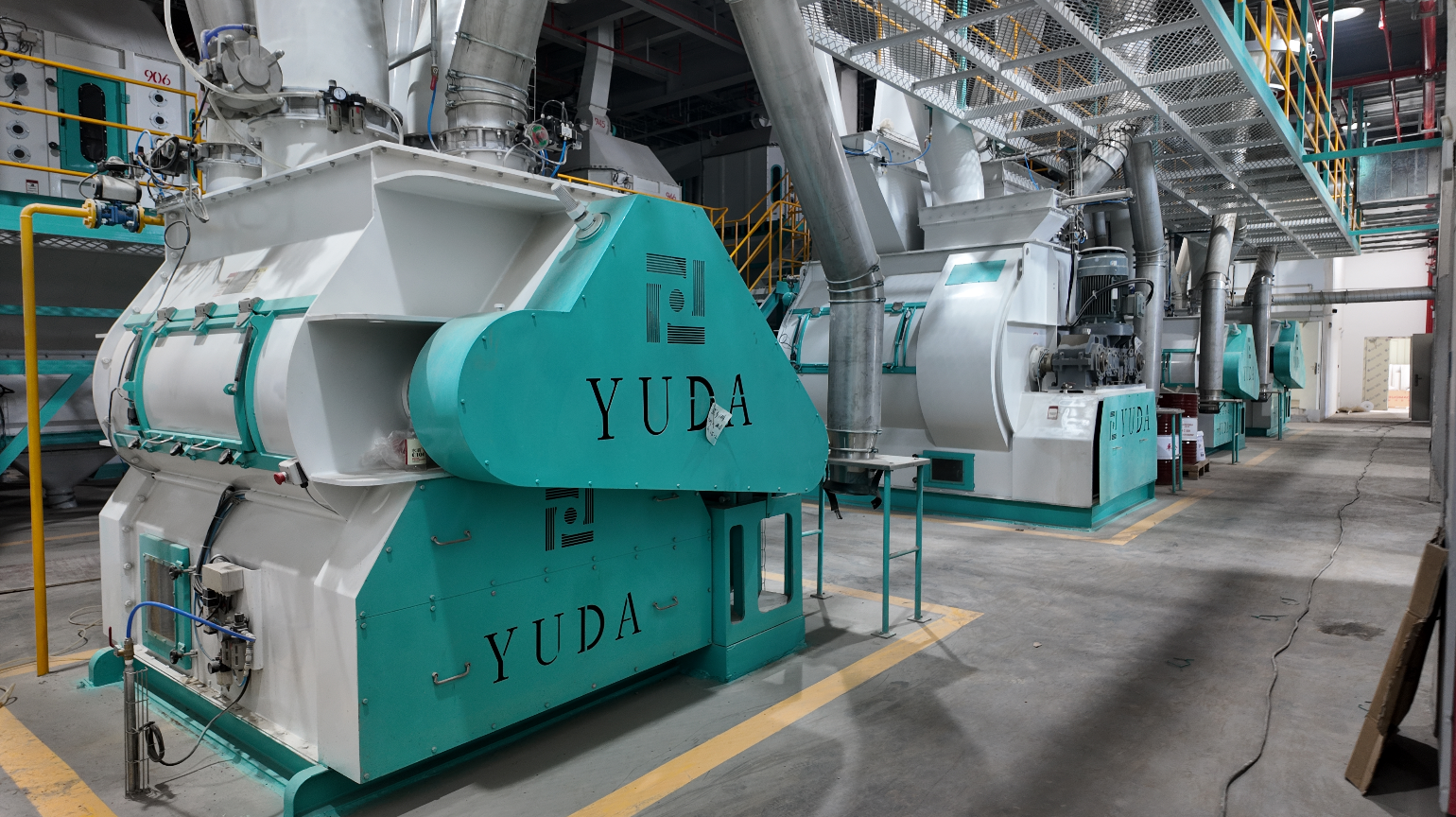
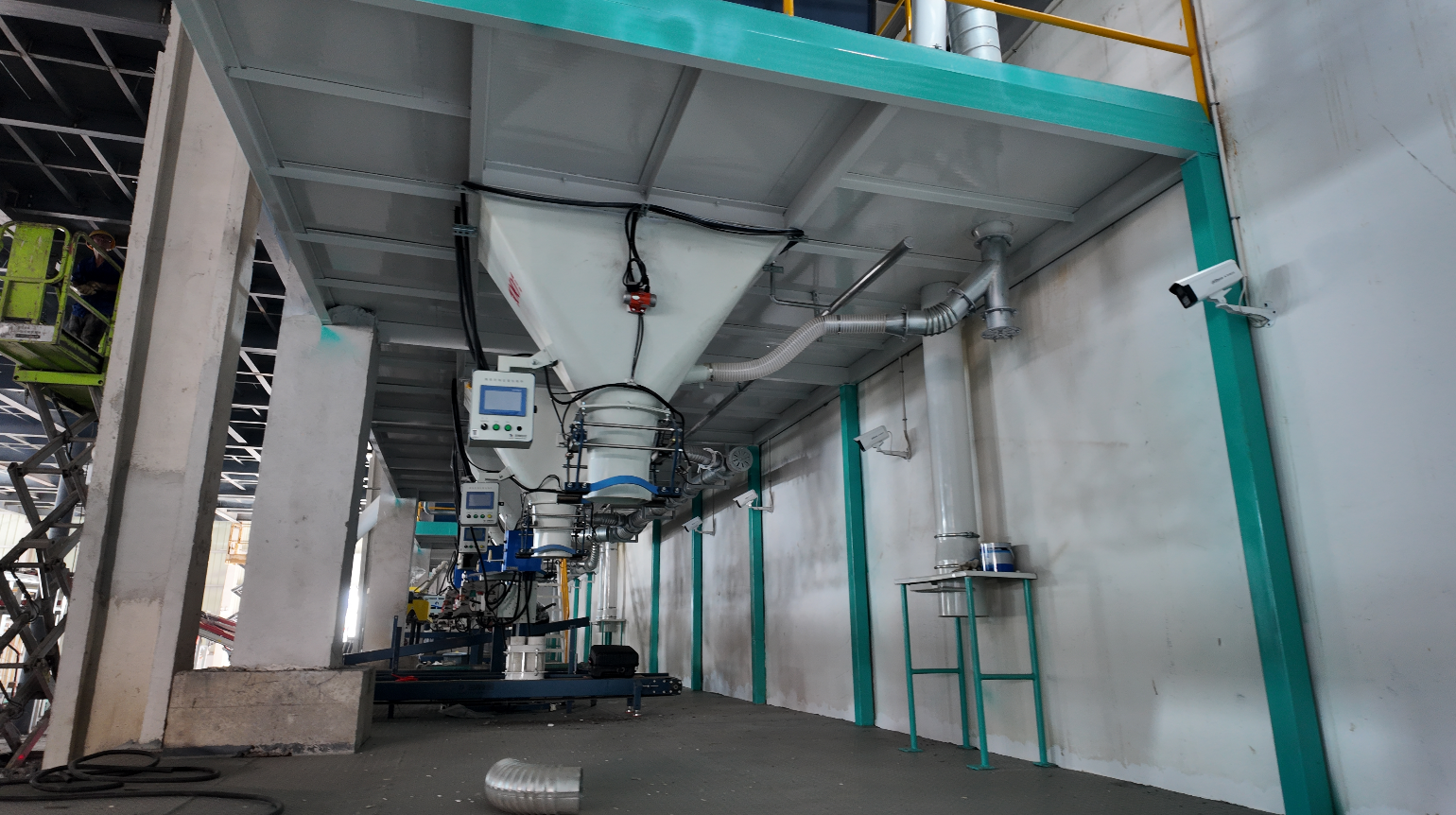
High-precision electronic quantitative bagging, combined with automatic sealing and dust control/air recirculation systems, ensures accurate weighing, reliable sealing, a clean working environment, and automatic traceability of production data.
 EN
EN


